Chinese Acrobatics: Grace and Strength in Motion
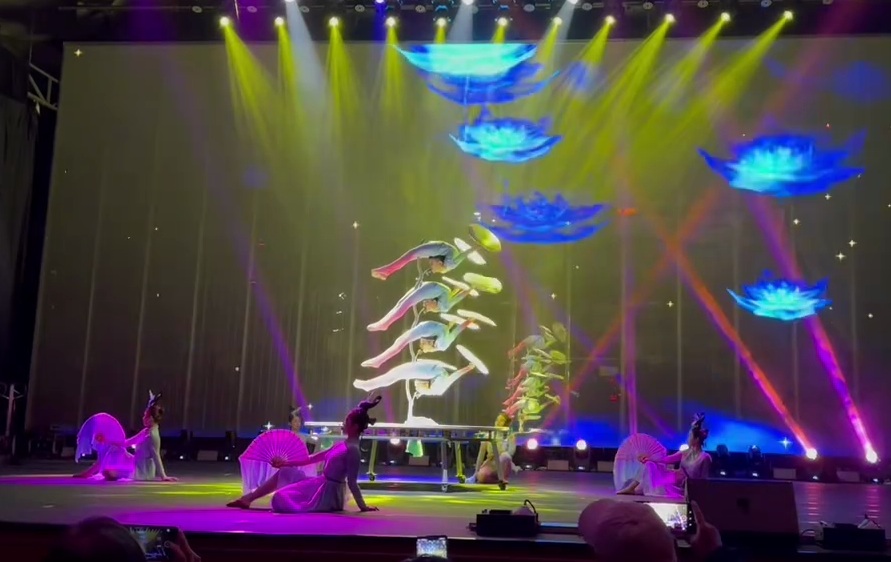
Chinese acrobatics is a breathtaking art form that combines strength, flexibility, and balance with theatrical performance. Rooted in ancient folk traditions, modern acrobatics showcases incredible physical feats that amaze audiences around the world.
History and Origins
Acrobatics in China dates back thousands of years, with roots in village festivals and performances during national celebrations. The art developed into a formalized discipline during the Han Dynasty and is now a professional pursuit studied by young performers at specialized schools.
Traditional Acrobatic Acts
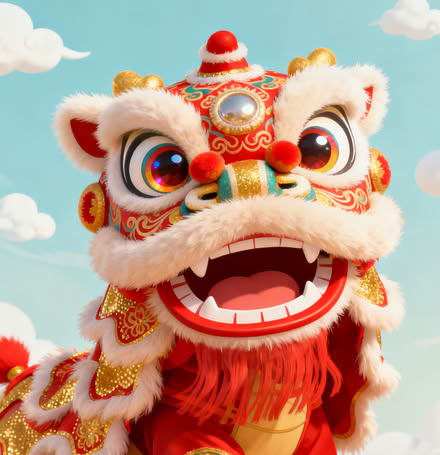
Lion Dance (舞狮)
A traditional Chinese performance where dancers in a lion costume mimic the movements of a lion. It's often performed during festivals and celebrations, symbolizing good luck and prosperity.
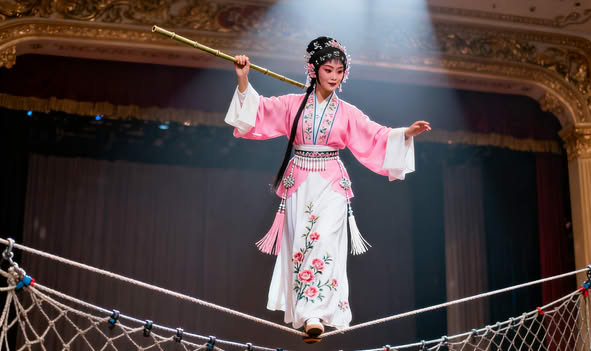
Tightrope Walking (走钢丝)
Performers walk, jump, and perform acrobatics on a thin wire stretched between two points. Some performers even ride bicycles or balance multiple people on the wire.
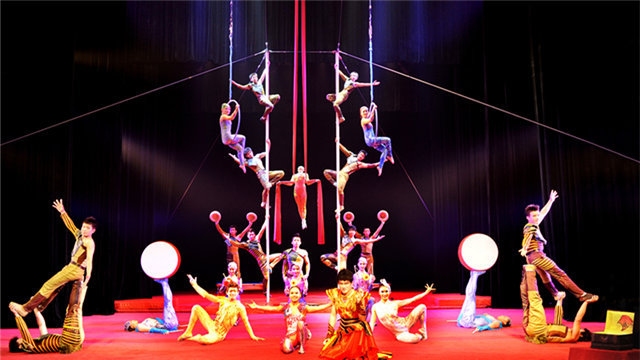
Juggling (杂耍)
Chinese jugglers perform with a variety of objects including plates, balls, umbrellas, and diabolos. The "plate spinning" act, where performers balance spinning plates on long sticks, is particularly popular.
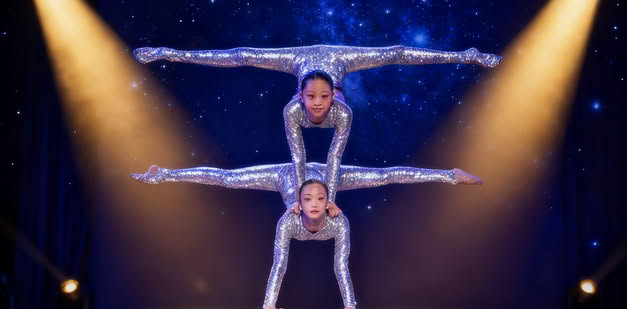
Contortion (柔术)
Contortionists display incredible flexibility by bending and twisting their bodies into seemingly impossible positions. Many performances combine contortion with other skills like hand balancing.
Modern Acrobatic Shows
Today's Chinese acrobatic shows have evolved to include modern elements like elaborate lighting, music, and choreography, while still maintaining the traditional skills and techniques. These spectacular productions combine artistry with athleticism to create unforgettable performances.
Elements of Modern Acrobatics
- Theatrical staging: Modern shows feature elaborate sets, lighting, and sound design
- Storytelling: Many performances incorporate narrative elements and thematic content
- Integration of other arts: Combining acrobatics with dance, music, and martial arts
- Technical innovation: New equipment and techniques pushing the boundaries of what's possible
- International influences: Incorporating elements from other cultures and performance styles
Recommended Venues to Watch Acrobatics
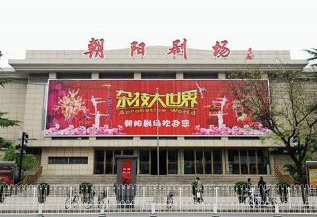
Chaoyang Theater (朝阳剧场)
One of Beijing's most famous venues for acrobatics, Chaoyang Theater has been hosting performances for over 30 years. The shows are specially designed for international audiences and feature some of China's top acrobatic talent.
Location: 36 North Dongsanhuan Road, Chaoyang District
Showtime: 7:15pm daily (additional 4:15pm show during peak season)
Ticket price: ¥180-¥480
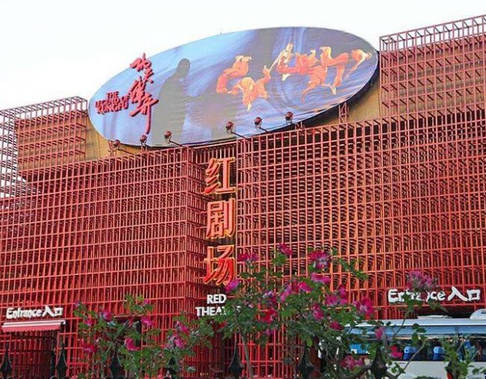
Red Theater (红剧场)
Known for its spectacular show "Legend of Kung Fu," which combines traditional Chinese martial arts with acrobatics. The performance tells the story of a young monk's journey to enlightenment through stunning visuals and incredible physical feats.
Location: 44 Xingfu Dajie, Dongcheng District
Showtime: 7:30pm daily
Ticket price: ¥280-¥680
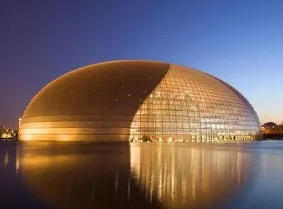
National Center for the Performing Arts (国家大剧院)
While primarily known for opera, ballet, and classical music, this iconic venue also hosts high-end acrobatic performances by national troupes. These shows often feature more artistic and innovative interpretations of traditional acrobatics.
Location: West Chang'an Avenue, Xicheng District
Showtime: Varies (check the official website for schedules)
Ticket price: ¥180-¥880
Practical Tips for Watching Acrobatics
- Book tickets in advance, especially during peak tourist seasons, as popular shows often sell out.
- Arrive at least 30 minutes before the show starts to find your seats and appreciate the venue.
- Consider choosing seats in the middle section for the best view of the acrobatic acts.
- Most venues provide programs with English descriptions, and many shows have English subtitles.
- Photography and video recording may be restricted during the performance, so check the venue's policies.
- Don't miss the opportunity to meet the performers after the show - many venues allow audiences to take photos with them.
- Some venues offer combined dinner and show packages, which can be a convenient option for an evening out.
Acrobatics Workshops for Visitors
For those who want to experience Chinese acrobatics firsthand, several venues and schools offer workshops where you can learn basic skills from professional performers:
Kids Acrobatics Workshop
Specially designed for children, these workshops teach basic acrobatic skills in a fun and safe environment. Kids can learn balance, flexibility, and simple tricks.
Recommended: Beijing Acrobatics Troupe Children's Workshop, Chaoyang District Cultural Center
Adult Acrobatics Experience
For adults interested in trying their hand at acrobatics, these workshops teach fundamentals like hand balancing, basic contortion, and plate spinning in a supportive environment.
Recommended: Beijing International Acrobatics School, National Acrobatic Arts Association
Related Guides
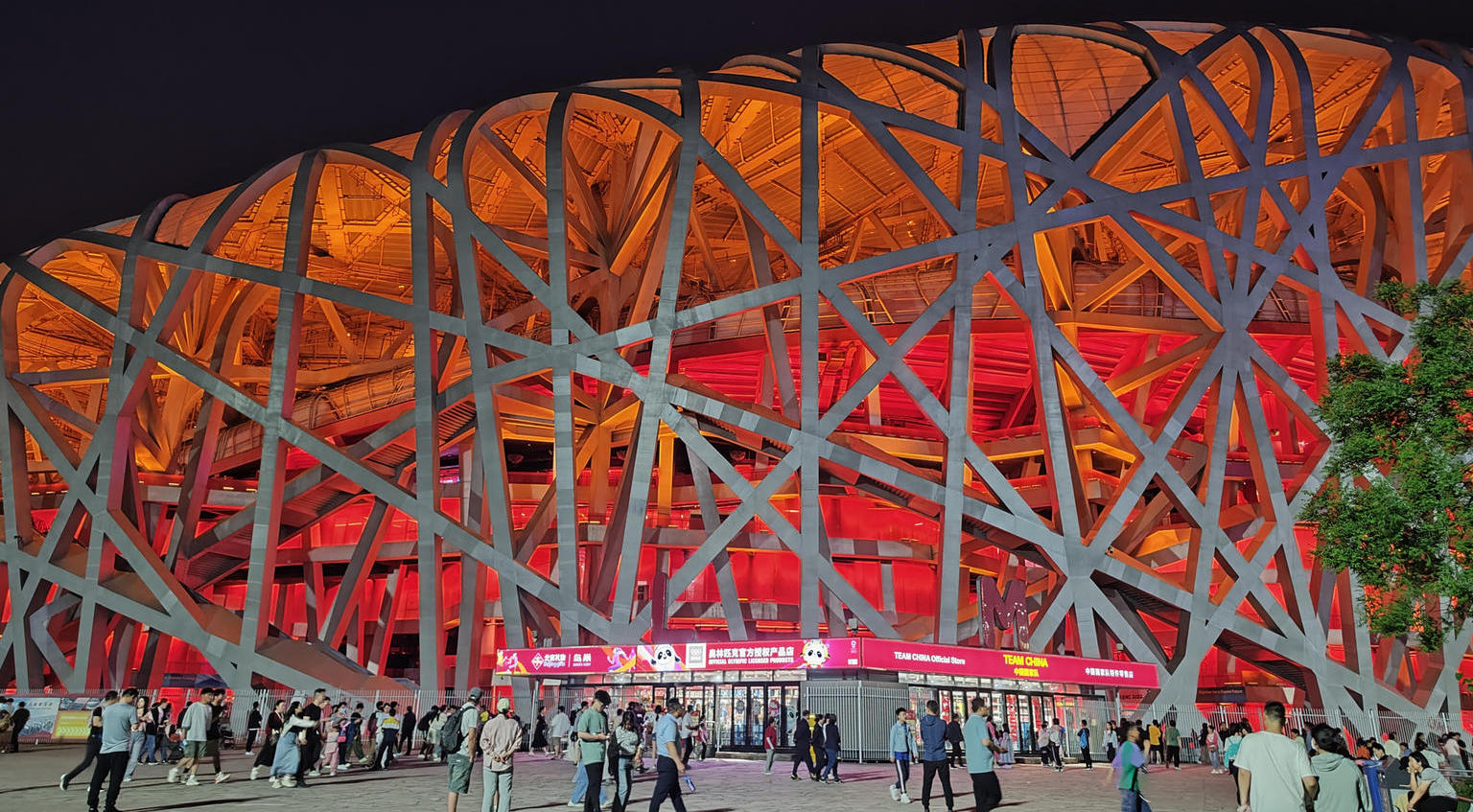
Bird's Nest & Water Cube: Beijing's Olympic Landmarks
The Bird's Nest (National Stadium) and Water Cube (National Aquatics Center) are iconic landmarks of the 2008 Beijing Olympics. These architectural masterpieces represent China's modern engineering prowess and continue to serve as world-class venues...
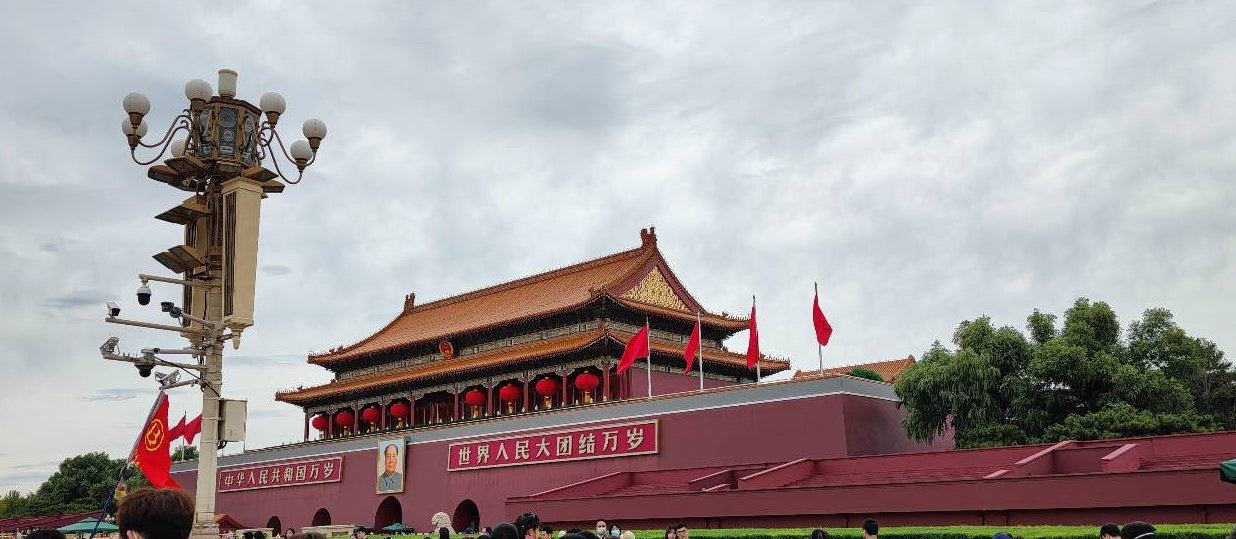
Forbidden City: Imperial Palace of Ming & Qing Dynasties
The Forbidden City is the largest and best-preserved wooden ancient architectural complex in the world, and one of Beijing's must-visit attractions. This guide provides optimal visiting routes, in-depth explanations, and practical tips...