Bird's Nest & Water Cube: Beijing's Olympic Landmarks
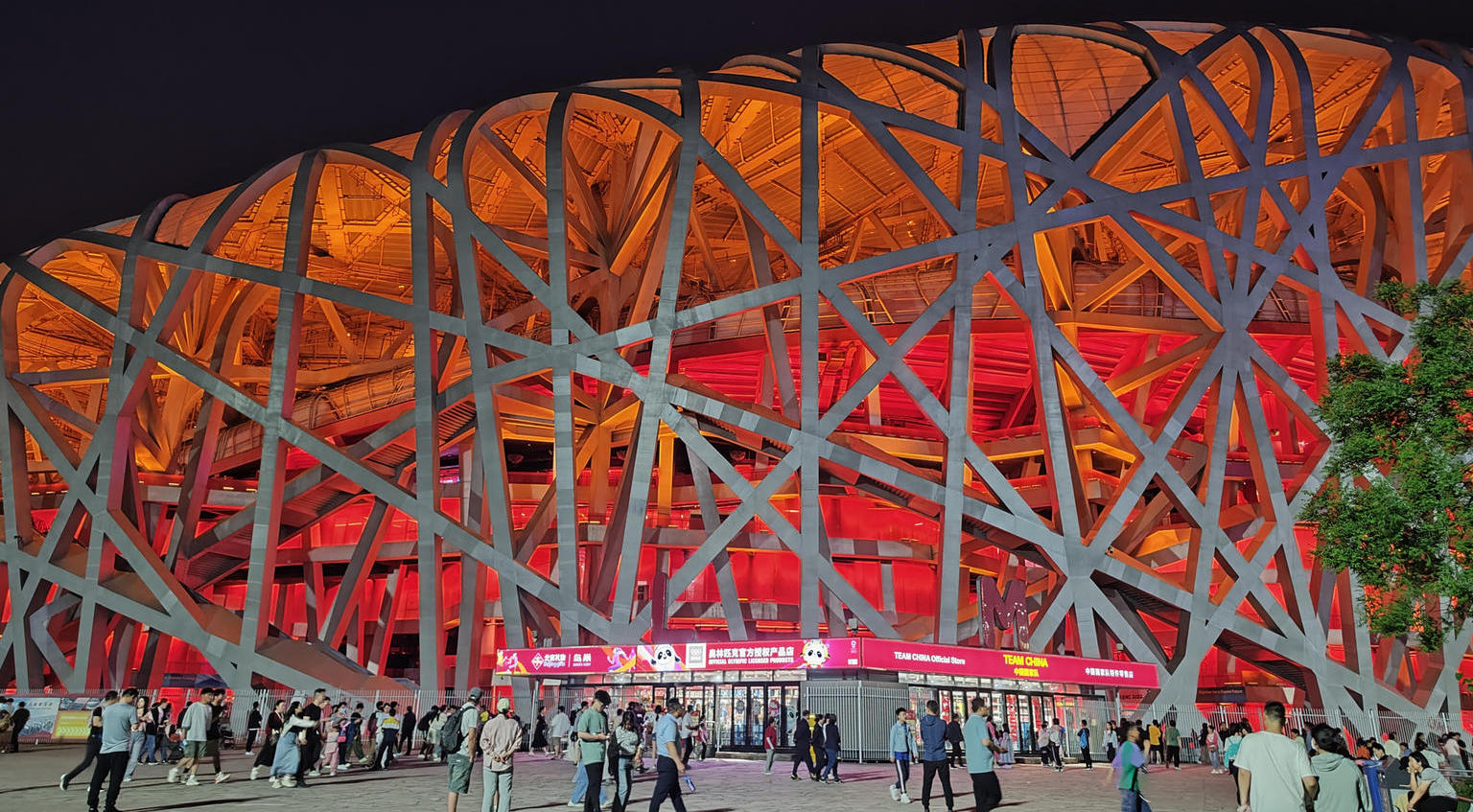
The Bird's Nest (National Stadium) and Water Cube (National Aquatics Center) are iconic landmarks of the 2008 Beijing Olympics. These architectural masterpieces represent China's modern engineering prowess and continue to serve as world-class venues for sports and cultural events, including the 2022 Winter Olympics.
About the Olympic Park
Located in the northern part of Beijing's central axis, the Olympic Park is home to two of the most recognizable buildings in modern China: the Bird's Nest (National Stadium) and the Water Cube (National Aquatics Center). These structures were built for the 2008 Summer Olympics and have since become symbols of Beijing's transformation into a global city.
What makes these venues truly special is their "Dual Olympic" status—they hosted both the 2008 Summer Olympics and the 2022 Winter Olympics, making Beijing the first city in history to host both Summer and Winter Games. The Bird's Nest served as the opening and closing ceremony venue for both Olympics, while the Water Cube was transformed into the "Ice Cube" for curling competitions during the 2022 Winter Olympics.
The Bird's Nest (National Stadium)
History and Construction
The National Stadium, commonly known as the Bird's Nest, was constructed between December 24, 2003, and June 28, 2008. Designed by Swiss architects Jacques Herzog and Pierre de Meuron of Herzog & de Meuron, in collaboration with Chinese architect Li Xinggang and artist Ai Weiwei, the stadium cost approximately 2.267 billion yuan (about $340 million USD) to build.
The stadium covers an area of 21 hectares with a total construction area of 258,000 square meters. It can accommodate 91,000 spectators, including 80,000 permanent seats and 11,000 temporary seats. The structure measures 333 meters north-south, 296 meters east-west, and stands 69 meters tall at its highest point.
Architectural Features
- Unique Design: The stadium's distinctive lattice structure resembles a bird's nest, created by weaving steel trusses around a bowl-shaped seating area. This design exposes the structural elements, creating a natural architectural appearance without unnecessary decoration.
- Steel Structure: The main steel framework uses 42,000 tons of steel, forming a giant spatial saddle-shaped woven structure. The steel branches interweave to create both the exterior facade and roof support.
- Sustainable Features: The design incorporates natural ventilation and lighting, rainwater collection systems, and solar photovoltaic power generation, meeting international environmental standards.
- Symbolic Meaning: The nest-like form symbolizes the cradle of life and humanity's hopes for the future, reflecting traditional Chinese philosophy of harmony between humans and nature.
The Water Cube (National Aquatics Center)
History and Construction
The National Aquatics Center, known as the Water Cube, was built between December 24, 2003, and January 28, 2008. It was designed by a joint venture of China State Construction Engineering Corporation, Australian PTW Architects, and ARUP Australia. Notably, it is the only Olympic venue funded by donations from Hong Kong, Macao, Taiwan compatriots, and overseas Chinese, who contributed approximately 940 million yuan.
The Water Cube occupies 62,950 square meters with a total construction area of 65,000-80,000 square meters (including at least 15,000 square meters underground). The building measures 177m × 177m × 30m and features a unique cubic shape that complements the circular Bird's Nest, embodying the traditional Chinese concept of "heaven is round, earth is square."
Architectural Features
- ETFE Membrane Structure: The exterior consists of 3,065 irregular air cushions made of ETFE (ethylene tetrafluoroethylene) membrane, covering 100,000 square meters with an unfolded area of 260,000 square meters. These bubble-like structures resemble water molecules or soap bubbles.
- Innovative Design: The design is based on the microscopic structure of water molecules and bubbles, combining traditional Chinese spatial concepts with modern architecture. The simple cubic form contrasts beautifully with the organic curves of the Bird's Nest.
- Transformation Capability: In 2020, the Water Cube was successfully transformed into the "Ice Cube" for the 2022 Winter Olympics curling competitions, demonstrating remarkable architectural flexibility.
- Eco-Friendly Technology: Features advanced water recycling systems, automatic water changing technology, and energy-efficient climate control systems.
Best Time to Visit
- Spring (April-May): Pleasant weather with blooming flowers in the Olympic Park. Ideal for outdoor photography and walking tours.
- Summer (June-August): Long daylight hours allow extended visiting time. Evening visits offer spectacular illuminated views of both structures.
- Autumn (September-November): Clear skies and comfortable temperatures make this the best season for visiting. The autumn foliage adds beauty to the park.
- Winter (December-February): Fewer crowds and possible snow create stunning photo opportunities. Night illumination is particularly beautiful against winter skies.
- Best Time of Day: Early morning (9:00-10:00) for fewer crowds, or evening (after 18:00) to see the buildings illuminated with colorful lights.
Recommended Route
To fully experience both landmarks, follow this comprehensive route:
Olympic Park Entrance → Bird's Nest Exterior
Enter through the Olympic Park and begin with the Bird's Nest exterior. Walk around the entire structure to appreciate its scale and intricate steel weave pattern from different angles. Take photos from the south plaza for the classic view.
Bird's Nest Interior Tour
Enter the Bird's Nest through the west entrance. Visit the Golden Hall exhibition area showcasing Olympic history and dual-Olympic heritage. Explore the stadium bowl, walk along the concourse levels, and climb to upper viewing platforms for panoramic views.
Walk to Water Cube
Exit the Bird's Nest and walk north across the plaza to the Water Cube (approximately 5-minute walk). Enjoy the contrast between the organic curves of the Bird's Nest and the geometric precision of the Water Cube.
Water Cube Exploration
Tour the Water Cube interior, including the competition pool area, diving platform, and the "Ice Cube" transformation exhibition. Visit the water park and interactive exhibits. Don't miss the nighttime light show if visiting after dark.
Olympic Park Evening Stroll
End your visit with an evening walk through the Olympic Park. Both buildings are beautifully illuminated at night, creating spectacular photo opportunities. Consider dining at one of the nearby restaurants with views of the lit-up venues.
Highlights Not to Miss
Bird's Nest Steel Structure
Marvel at the intricate network of steel beams that form the nest-like exterior. The structure appears different from every angle—east and west sides are higher while north and south are lower, creating dynamic visual effects.
Water Cube Bubble Facade
Observe the 3,065 ETFE air cushions up close. During the day, they shimmer like water droplets; at night, LED lights inside create mesmerizing color-changing displays.
Dual Olympic Exhibition
Inside the Bird's Nest Golden Hall, explore exhibitions documenting both the 2008 Summer Olympics and 2022 Winter Olympics, showcasing Beijing's historic achievement as the first "Dual Olympic City."
Nighttime Illumination
Return after sunset to witness both buildings spectacularly lit. The Bird's Nest glows with warm red tones while the Water Cube displays ever-changing blue and multicolored patterns—a photographer's dream.
Practical Tips
- Entrance Fees: Bird's Nest costs ¥50 for regular admission (¥25 for students/seniors). Water Cube costs ¥30 for general entry. Combined tickets may be available at discounted rates.
- Opening Hours: Bird's Nest: April-October 9:00-19:00, November-March 9:00-17:30. Water Cube: Peak season (May-October) 9:00-22:00, Off-season (November-April) 9:00-19:00.
- Audio Guides: Both venues offer audio guides in multiple languages (Chinese, English, Japanese, Korean) for rent at entrance counters. Highly recommended for deeper understanding.
- Photography: Photography is permitted throughout both venues. Best shots of the Bird's Nest are from the south plaza; Water Cube looks stunning from the northwest corner. Tripods allowed but check restrictions during events.
- Special Events: Check schedules before visiting as both venues host concerts, sporting events, and exhibitions that may affect access or offer unique experiences.
- Facilities: Both venues have restrooms, souvenir shops, and cafes. The Bird's Nest has a café near the Gate of Divine Prowess. Water Cube features a water park and spa facilities.
Frequently Asked Questions
How long does it take to visit both venues?
Plan 2-3 hours for each venue if you want thorough exploration. A combined visit typically takes 4-6 hours. If you're short on time, allocate 1.5 hours per venue for highlights only.
Can I go inside both buildings?
Yes! Both the Bird's Nest and Water Cube offer interior tours when no events are taking place. You can walk through the stadium seating areas, visit exhibition halls, and explore the aquatic center facilities.
Are there guided tours available?
Yes, both venues offer official guided tours in Chinese and English. You can also hire private guides or join group tours that include transportation from central Beijing. Audio guides are also available for self-guided exploration.
What's the best way to get there?
Take Beijing Subway Line 8 to Olympic Sports Center Station or Line 15 to Olympic Park Station. Both stations are within walking distance. Taxis and ride-sharing services are also convenient options.
Is the Olympic Park free to enter?
Yes, the Olympic Park itself is free to enter and walk around. You only pay admission fees if you want to go inside the Bird's Nest or Water Cube buildings.
Related Guides
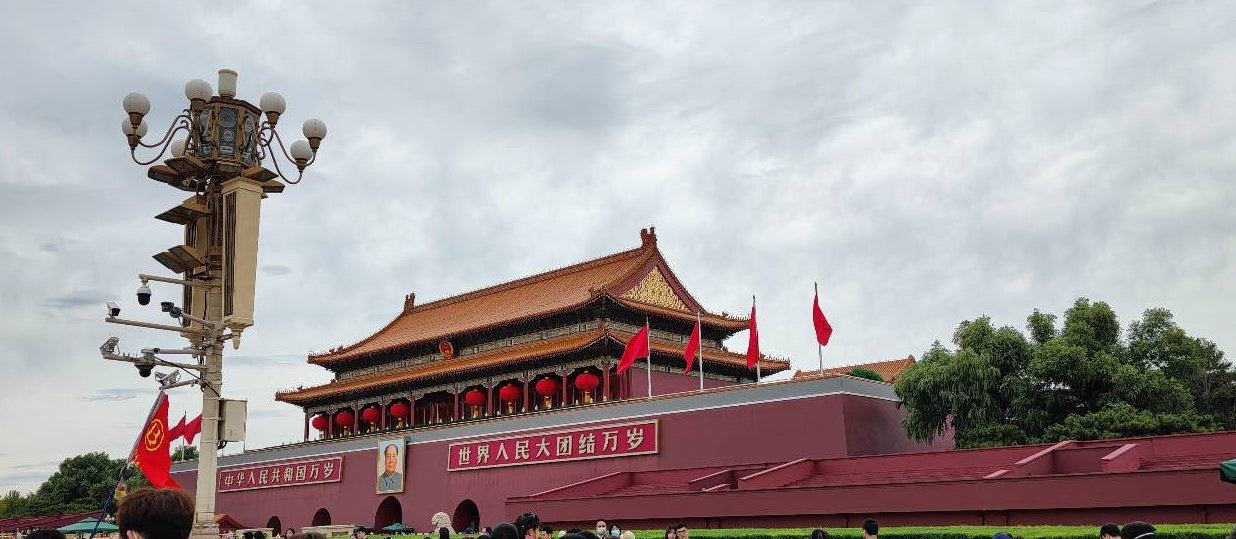
Forbidden City: Imperial Palace of Ming & Qing Dynasties
The Forbidden City is the largest and best-preserved wooden ancient architectural complex in the world, and one of Beijing's must-visit attractions. This guide provides optimal visiting routes, in-depth explanations, and practical tips...
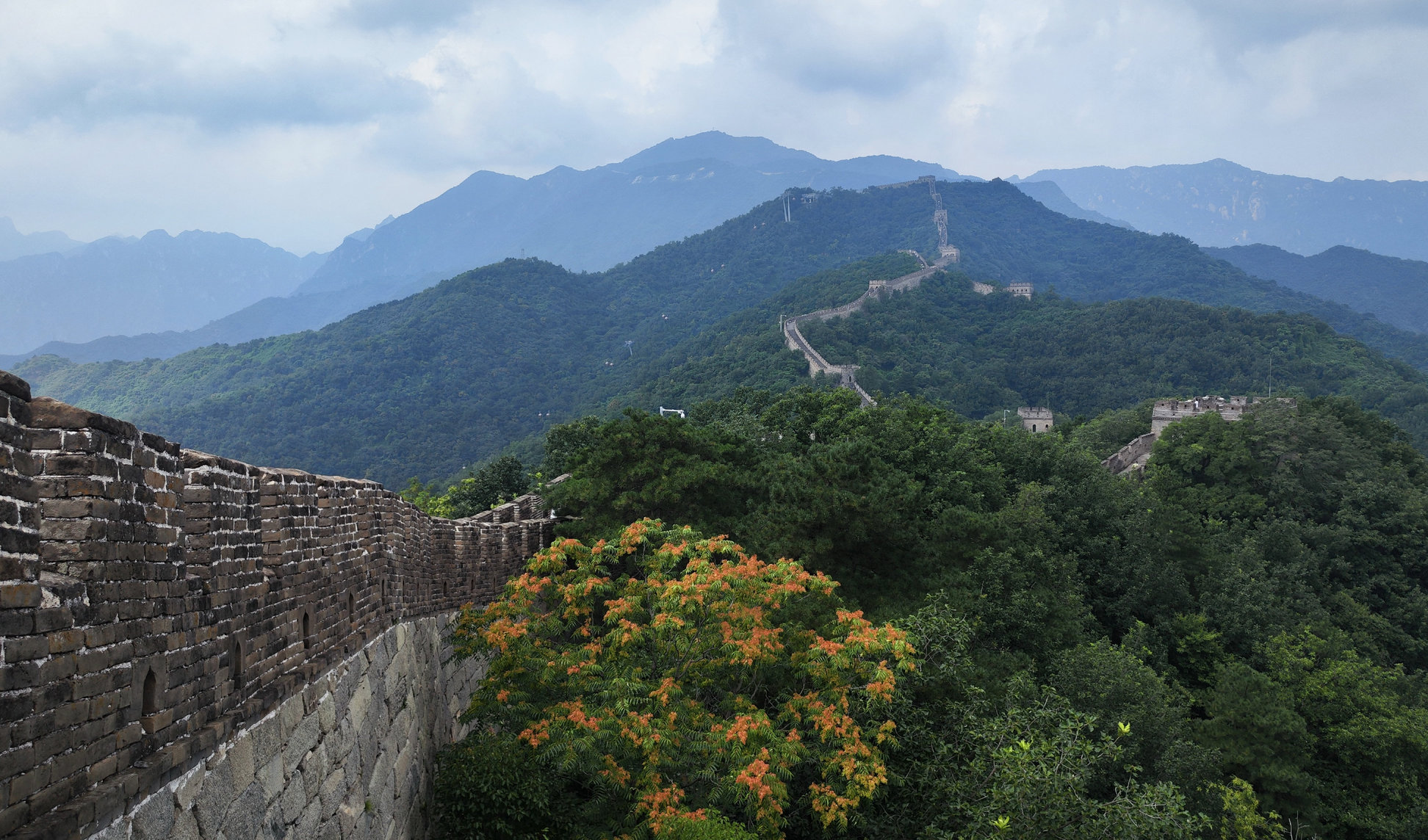
Mutianyu Great Wall: Scenic and Well-Preserved Section
Mutianyu Great Wall is one of the most beautiful and well-preserved sections of the Great Wall. This guide will show you how to avoid crowds, the best visiting seasons, and transportation tips...