Bird's Nest: Beijing's Olympic Stadium Icon
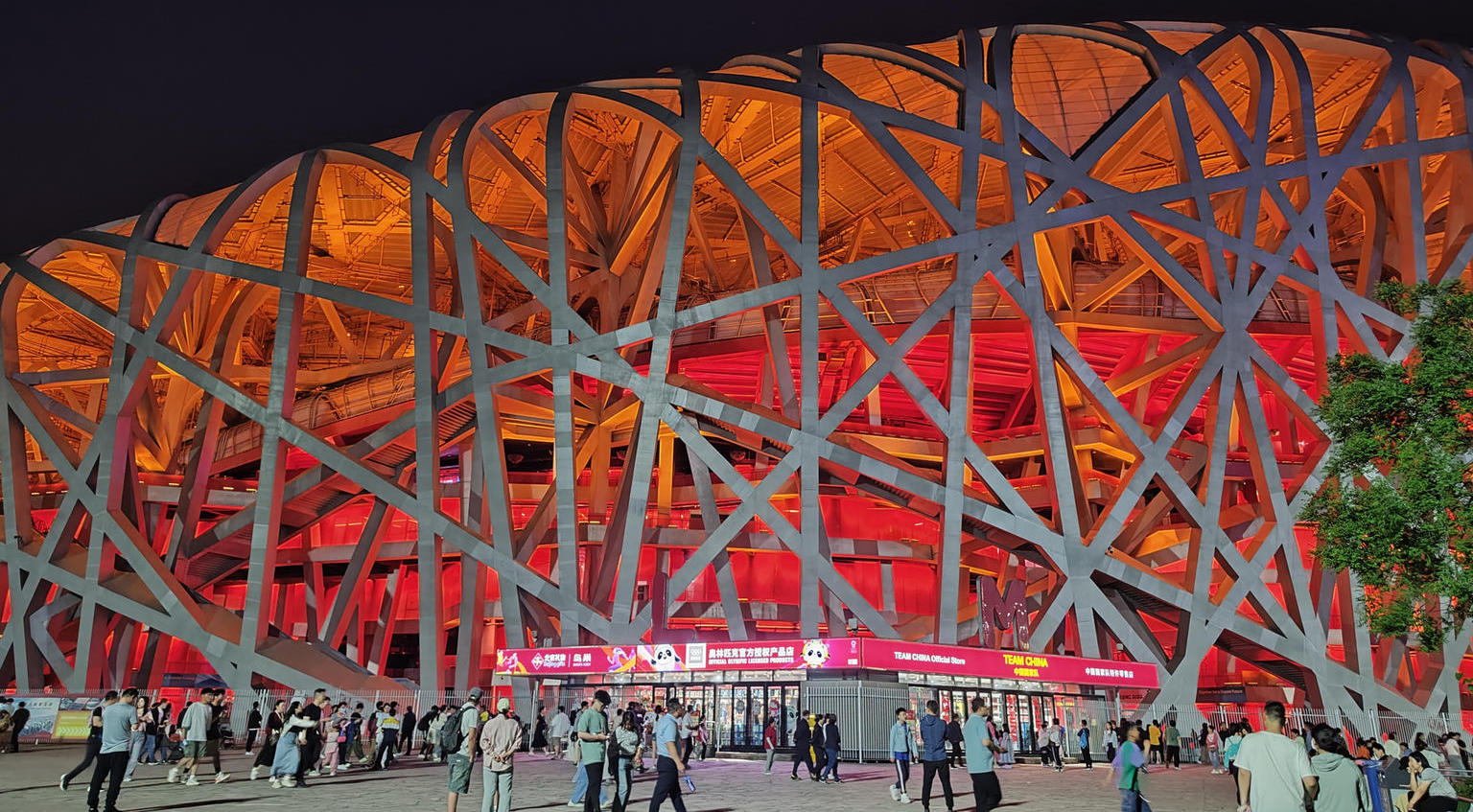
The Bird's Nest, officially the National Stadium, is the most recognisable building of the 2008 Beijing Olympics. It hosted the opening and closing ceremonies of both the 2008 Summer Games and the 2022 Winter Games, making Beijing the first city to stage both.
The stadium that defined 2008
The National Stadium was built between 2003 and 2008 on the Olympic Green in Chaoyang District. Designed by Herzog & de Meuron with the China Architecture Design & Research Group, it was conceived as a giant bowl of seating wrapped in a lattice of steel, an image that gave it the nickname everyone now uses.
The 2008 opening ceremony, with its drummers, scroll and fireworks, was watched by a large part of the world, and the stadium went on to host the athletics events and the closing ceremony. In 2022 it repeated the role for the Winter Olympics, opening and closing the Games while the neighbouring Water Cube hosted curling.
Architecture of the nest
About 42,000 tonnes of steel were used to create the irregular lattice that surrounds the stadium. The beams interlock without a fixed pattern, so the structure looks different from every angle and the roof and facade form a single continuous shell. The bowl inside seats roughly 91,000 people.
The design also had a practical side. The open lattice lets wind through the structure, the roof collects rainwater for the surrounding park, and the seating bowl is insulated from the worst of the summer heat. It is one of the few Olympic stadiums that has stayed busy long after the Games ended.
What you can see inside
The stadium bowl
Walk the concourse, see the track and field surface and climb to the upper tier for a view across the whole Olympic Green.
Olympic exhibition
Exhibits cover the 2008 and 2022 Games, the torch relays and the conversion work that made the stadium a dual-Olympic venue.
Events and concerts
The stadium still hosts football matches, athletics meetings and large concerts. Check the schedule before visiting, as event days can close the tourist route.
The south plaza
The classic photo of the stadium is taken from the south plaza, where the full lattice shell and its reflection in the water are visible.
The Olympic Park at night
The Bird's Nest and the Water Cube sit about five minutes apart on the Olympic Green. Both are illuminated in the evening, the stadium glowing red and the aquatics centre shifting through blue and green, and the park fills with local families and cyclists.
A combined visit to the stadium and the aquatics centre takes about three hours, or longer if you stop for dinner along the axis.
Practical Tips
- *Come at dusk. You get the stadium in daylight and then the illumination, without waiting around for darkness.
- *Check for events first. On concert and match days parts of the stadium are closed to visitors.
- *The park is huge and exposed. Bring water and sun protection if you are walking between the venues in summer.
- *Tickets for the stadium and the Water Cube are sold separately; combined tickets are sometimes available at the gate.
Frequently Asked Questions
Can I go inside the Bird's Nest?
Yes, when no event is taking place. The tourist route includes the concourse, the bowl and the Olympic exhibition.
How long does a visit take?
About an hour for the stadium. Allow two to three hours if you also visit the Water Cube next door.
Is the Olympic Park free?
Yes, the park is free to enter and walk around. You only pay to go inside the stadium or the aquatics centre.
Related Attractions
Wildlife & Family
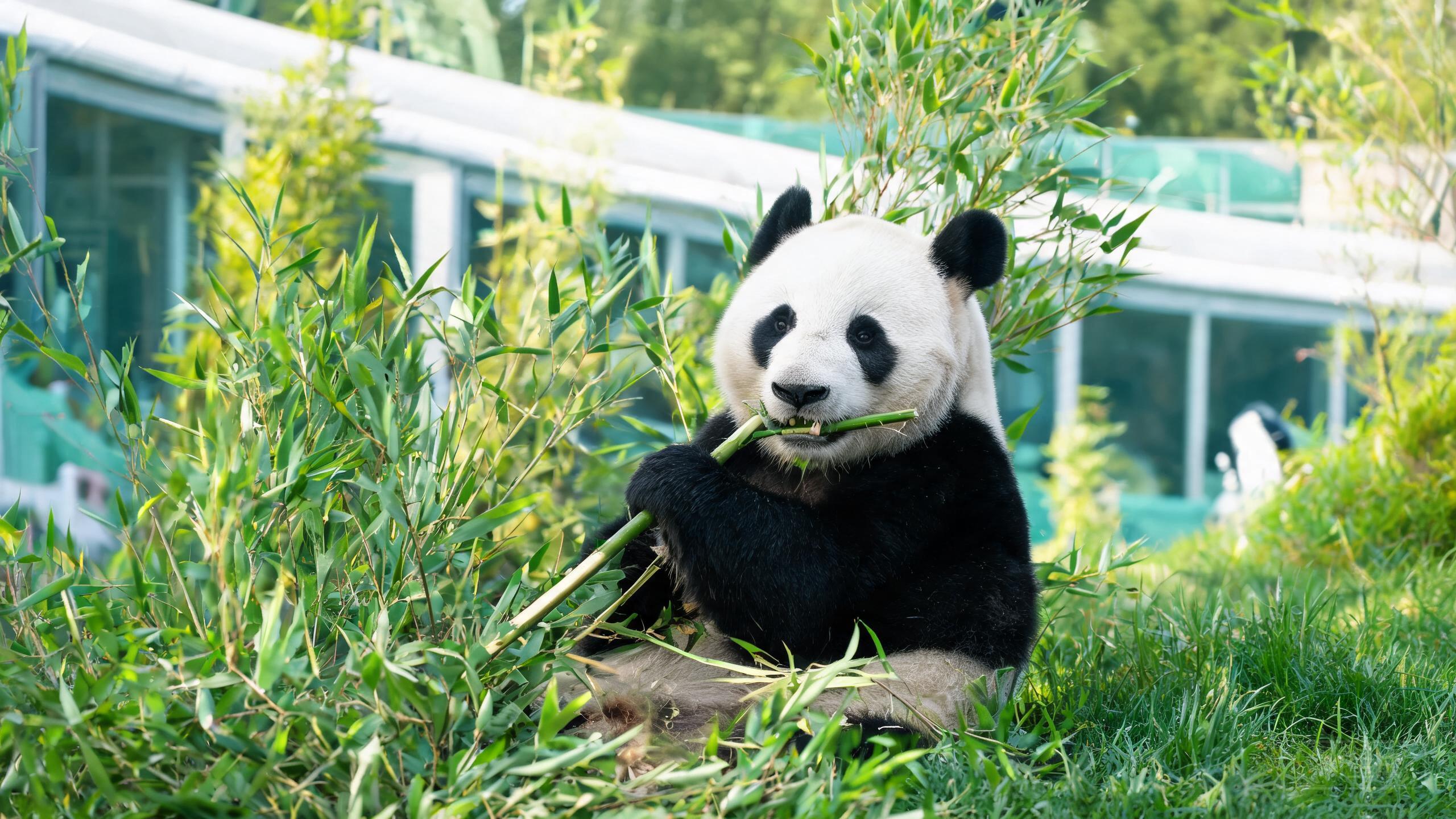
Panda House at Beijing Zoo: A Complete Visiting Guide
The Panda House at Beijing Zoo is one of the few places in China where you can see giant pandas in the capital. This guide covers the best times to see them active, ticket and entry tips, and how to combine the visit with nearby sights.
June 10, 2024 · 7 min
Historic Landmark
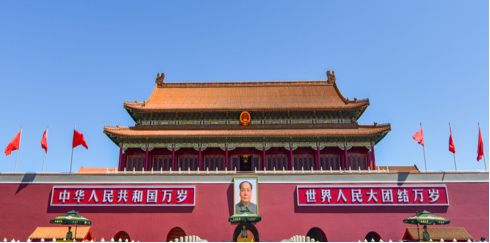
Tiananmen Square: The Heart of Modern Beijing
Tiananmen Square is the symbolic centre of modern China and the starting point of Beijing's historic north-south axis. This guide covers the square's landmarks, the best times to visit, security procedures and how to combine it with the Forbidden City.
June 15, 2024 · 6 min

World Heritage
Mutianyu Great Wall: A Scenic and Less Crowded Experience
Mutianyu Great Wall is widely regarded as one of the most beautiful and well-preserved sections of the Great Wall of China. This guide will help you make the most of your visit with practical tips on the best times to visit and how to avoid crowds.
August 10, 2024 · 8 min