Panda House at Beijing Zoo: A Complete Visiting Guide
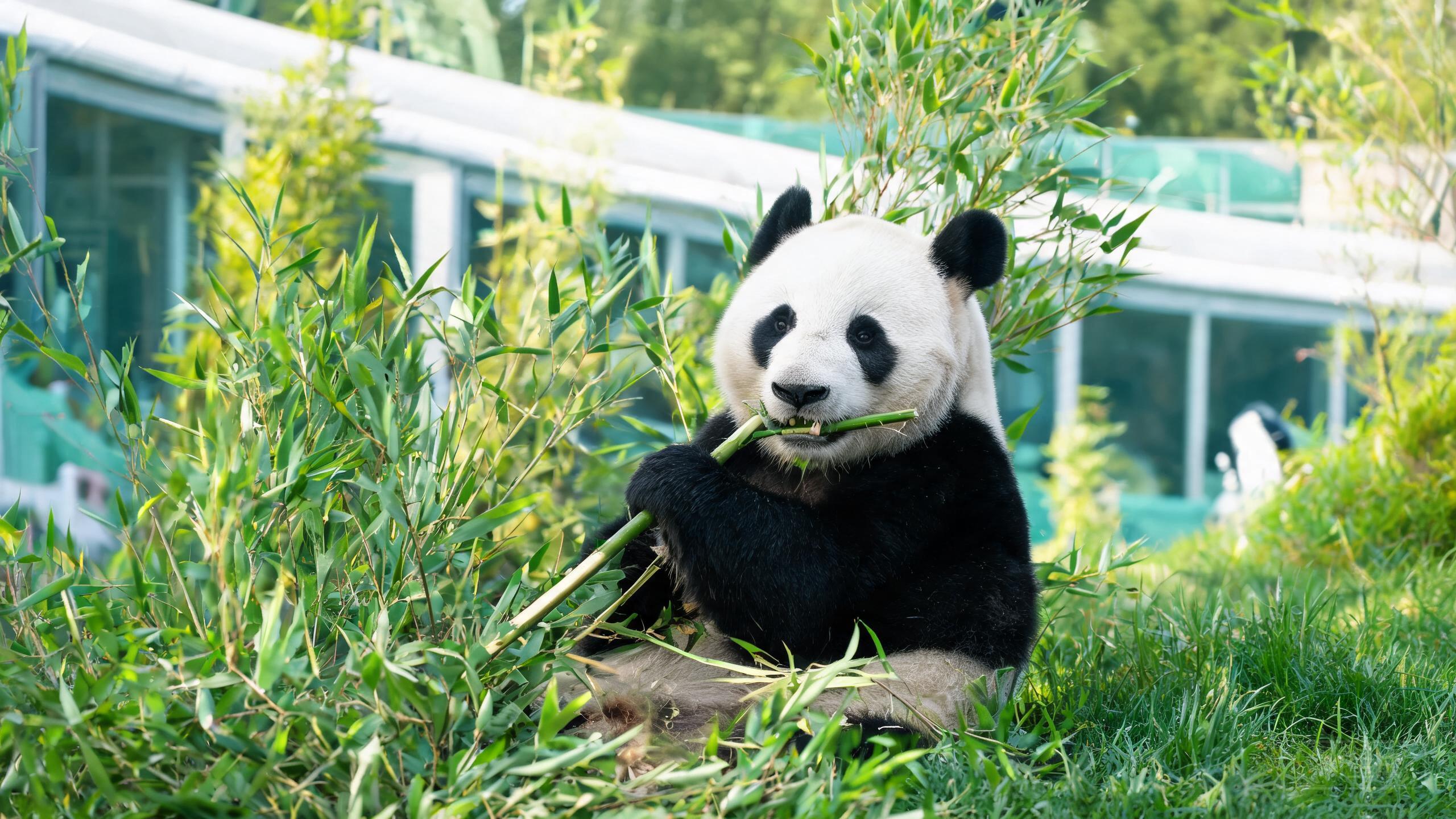
The Panda House at Beijing Zoo is the easiest place to see giant pandas without leaving the capital. It is small, family-friendly and easy to combine with the nearby temples and lakes of the old city, provided you time your visit around the pandas' feeding and rest cycles.
Why visit the Panda House
Beijing Zoo has kept giant pandas since the 1950s and its Panda House is one of the few places in China where you can see them in a city centre. The building is modern, airy and designed around the way pandas actually live: bamboo groves to sit in, pools to cool down and indoor and outdoor enclosures that let the animals move with the seasons.
The zoo itself is much more than pandas. It covers 14 hectares in Xicheng District and holds around 500 species, including red pandas, golden monkeys, giant pandas' smaller relatives and a large collection of birds and reptiles. For families with children it is one of the best-value half-days in Beijing.
Meet the pandas
Giant pandas
The main enclosure holds several adult giant pandas. They spend most of the day eating bamboo, and the keepers put fresh bamboo out in the morning, which is when the animals are most active.
Red pandas
Smaller, copper-coloured and far more mobile than their giant cousins, the red pandas live in a neighbouring enclosure and are often overlooked by visitors heading straight for the pandas.
Panda House layout
The house has an indoor hall for hot and cold weather and outdoor groves for mild days. Signage in English explains the pandas' diet and conservation status.
Conservation work
The zoo works with breeding and research centres in Sichuan and Shaanxi. Exhibits explain the giant panda's decline, the bamboo forest habitat and what protected areas now do for the species.
Best time to see the pandas active
Giant pandas eat for roughly 12 to 16 hours a day and sleep through much of the rest, so the wrong timing can mean looking at a pile of black-and-white fur in a corner. In practice the best windows are opening time in the morning and the late-afternoon feeding round.
On hot summer days the pandas retreat indoors and often lie flat on the concrete to cool down. If seeing them moving matters more than seeing them close up, plan a cool-weather visit in spring or autumn, when the outdoor groves are in use.
Tickets and entry
The zoo charges a modest entrance fee and the Panda House is included, though a separate ticket is required for some special exhibitions. Tickets are sold at the gates and online through the zoo's official channels, and advance booking is recommended at weekends and during school holidays.
Practical Tips
- *Go early. The gates open in the morning and the pandas are most active in the first hour or two, before the tour groups arrive.
- *Buy your ticket online in advance at weekends. The queues at the south gate can take 30 minutes or more.
- *Keep your voice down near the enclosures. Loud noise disturbs the pandas and the keepers will ask visitors to stay quiet.
- *The zoo is large and mostly outdoors. Wear comfortable shoes, bring water and allow at least two hours.
Frequently Asked Questions
How much time do I need for the Panda House?
Allow 45 minutes to an hour for the pandas, and two to three hours if you want to see the rest of Beijing Zoo as well.
Are the pandas always visible?
They are usually visible, but they sleep a lot. Morning opening and late-afternoon feeding are the most reliable times to see them active.
Is the Panda House suitable for young children?
Yes. The zoo is flat, stroller-friendly and has toilets and snack stalls throughout. The Panda House itself has wide windows and low barriers.
Tours Including This Attraction

Related Attractions
Historic Landmark
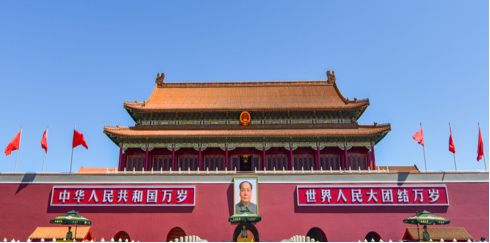
Tiananmen Square: The Heart of Modern Beijing
Tiananmen Square is the symbolic centre of modern China and the starting point of Beijing's historic north-south axis. This guide covers the square's landmarks, the best times to visit, security procedures and how to combine it with the Forbidden City.
June 15, 2024 · 6 min

Cultural Experience
Hutong Tour: Exploring Beijing's Ancient Alleys
Hutongs are the traditional narrow alleys that form the ancient urban fabric of Beijing. These winding lanes, lined with courtyard houses (siheyuan), offer a glimpse into the city's traditional way of life that has largely disappeared in modern Beijing.
July 10, 2024 · 9 min

Historic District
Shichahai: Beijing's Historic Lakeside District
Shichahai is one of Beijing's most charming historic districts, featuring three interconnected lakes surrounded by traditional hutong alleys, ancient mansions, and vibrant nightlife. Experience the perfect blend of old Beijing culture and modern entertainment in this popular area.
July 25, 2024 · 7 min