Tiananmen Square: The Heart of Modern Beijing
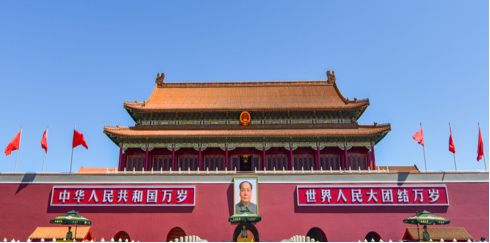
Tiananmen Square is the symbolic centre of modern China and the starting point of Beijing's historic north-south axis. It is free to enter, but the security process and the scale of the square can surprise first-time visitors, so a little planning makes the visit much smoother.
A square at the centre of the city
At roughly 44 hectares, Tiananmen Square is one of the largest public squares in the world. It was enlarged in the 1950s, when the old gate towers and walls around the imperial city were demolished, and it now stretches from the Gate of Heavenly Peace in the north to the Zhengyang Gate in the south.
The square is surrounded by the National Museum of China on the east, the Great Hall of the People on the west, the Monument to the People's Heroes in the middle and the Mao Zedong Mausoleum in the south. The national flag is raised at sunrise and lowered at sunset, and the ceremony is one of the most-photographed events in the city.
What to see around the square
Gate of Heavenly Peace
The red gate at the northern end carries the portrait of Mao Zedong and leads into the Forbidden City. The viewing platform above it can be visited with a separate ticket and a security check.
Monument to the People's Heroes
A 38-metre granite obelisk in the centre of the square, decorated with reliefs on the theme of modern Chinese history. It is the focal point of the national flag ceremonies.
National Museum of China
Housed in the long building on the east side, the museum covers Chinese history and art from prehistory to the present. Entry is free but requires a passport and a reservation.
Qianmen and Dashilan
South of the square, the Zhengyang Gate marks the start of Qianmen Street and the Dashilan shopping lanes, both good places to stop for lunch after the square.
Security and entry
Everyone entering the square passes through an airport-style security check, and bags are scanned. Bring your passport: it is checked at random throughout the area and is required for the museum and the mausoleum.
The square is closed to visitors at night and can be closed at short notice for official events. If a visit is essential to your itinerary, check the status on the day with your hotel or guide, and plan the square for the morning when it is usually open and least crowded.
Combining it with the Forbidden City
The square sits directly south of the Meridian Gate, the main entrance to the Forbidden City. Walking from the square through the gate takes about 15 minutes, which makes the two sights a natural half-day pair.
Forbidden City tickets are sold by timed entry and often sell out several days ahead. Book the palace slot first and then arrange the square around it, rather than the other way round.
Practical Tips
- *Arrive early. The square is hottest and busiest between 10:00 and 15:00, and the light is best for photos in the first two hours after sunrise.
- *Carry your passport at all times, plus a photocopy in case the original is checked at a second checkpoint.
- *There are few shaded areas and almost no benches on the square itself. Bring water, a hat and sunscreen in summer.
- *Public toilets are available near the museum and at the southern end, but expect queues around the flag ceremonies.
Frequently Asked Questions
Is Tiananmen Square free to visit?
Yes. The square itself is free and open daily, subject to security checks and occasional closures for official events. The Forbidden City and the museum have separate ticketing.
How long should I spend there?
Allow 45 minutes to an hour to walk the square and see the main monuments. Add two to three hours if you also visit the National Museum.
Can I watch the flag-raising ceremony?
Yes, the ceremony at sunrise is open to the public and free. Arrive at least 30 minutes early, and expect large crowds and a full security check.
Tours Including This Attraction

Related Attractions

Cultural Workshop
Dumpling Making: A Traditional Chinese Cooking Experience
Dumplings (jiaozi) are one of China's most beloved traditional foods, with a history dating back over 1,800 years. These delicious pockets of dough filled with meat and vegetables are more than just a meal - they're a symbol of family togetherness and cultural heritage.
June 20, 2024 · 9 min

Wildlife & Family
Panda House at Beijing Zoo: A Complete Visiting Guide
The Panda House at Beijing Zoo is one of the few places in China where you can see giant pandas in the capital. This guide covers the best times to see them active, ticket and entry tips, and how to combine the visit with nearby sights.
June 10, 2024 · 7 min

Historic District
Shichahai: Beijing's Historic Lakeside District
Shichahai is one of Beijing's most charming historic districts, featuring three interconnected lakes surrounded by traditional hutong alleys, ancient mansions, and vibrant nightlife. Experience the perfect blend of old Beijing culture and modern entertainment in this popular area.
July 25, 2024 · 7 min