Water Cube: From Olympic Pool to Ice Cube
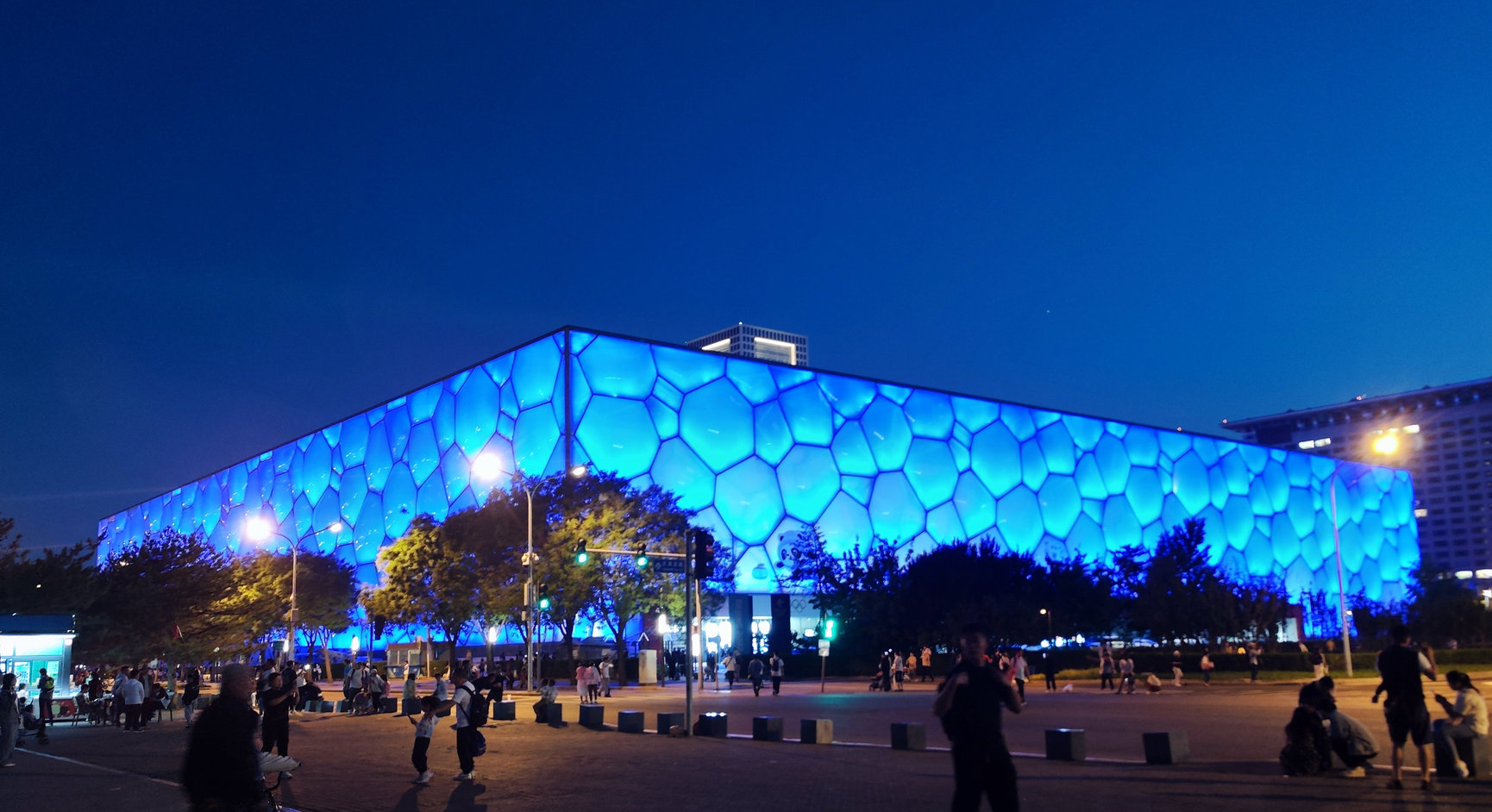
The Water Cube, officially the National Aquatics Center, is the bubble-covered swimming venue built for the 2008 Beijing Olympics. It became the Ice Cube for curling in 2022, making it one of the very few buildings in the world to host events at both a Summer and a Winter Games.
From Water Cube to Ice Cube
The National Aquatics Center opened in January 2008 and hosted the swimming, diving and synchronised swimming events at the Beijing Olympics. Eight world records were broken in its pool during those Games, which quickly made the building a landmark in its own right.
When Beijing won the 2022 Winter Olympics, the pool was converted into a curling arena: the water was drained, ice laid over the pool floor, and the venue reopened as the Ice Cube. The conversion was designed from the start to be reversible, and the building has since returned to swimming and public aquatics.
Architecture: bubbles and ETFE
The Water Cube is a 177-metre cube clad in more than 3,000 translucent ETFE air cushions. The material looks like soap bubbles or water molecules, and it is light enough that the whole facade weighs far less than a glass curtain wall of the same size. The square, blue-tinted form was chosen to contrast with the curved, red-toned Bird's Nest next door, echoing the traditional Chinese idea of a round heaven and a square earth.
Inside, the competition pool, diving platforms and the public water park share the same building. At night the facade is lit from within and the colour changes slowly, which is when the building looks most like a tank of water.
What you can visit inside
Competition pool
See the pool where the 2008 swimming records were set, along with the starting blocks and the timing systems that are still in use for competitions.
Diving hall
The diving platforms rise above the pool in the adjoining hall. The view from the upper concourse takes in both the pool and the structure of the roof.
Water park
A large indoor water park occupies part of the building, with slides, a wave pool and a lazy river. It is a popular family attraction, especially in summer.
Olympic exhibition
Displays inside the venue cover the 2008 Games, the curling events of 2022 and the engineering behind the building.
Visiting the Olympic Park
The Water Cube stands in the Olympic Green, a short walk north of the Bird's Nest. The park itself is free and open, and the two buildings are usually visited together: the stadium first, then the aquatics centre, then a walk back through the park as the lights come on.
Allow two to three hours for the two venues, or a full afternoon if you also use the water park.
Practical Tips
- *Visit after dark if you want the classic photo. The facade is illuminated every evening and the colours change slowly through blue, green and violet.
- *Check the event calendar before you go. Competitions and concerts sometimes close parts of the venue to tourists.
- *The water park is busiest at weekends and during school holidays. Book online and arrive at opening time.
- *Combine the Water Cube with the Bird's Nest: they are a five-minute walk apart and tickets can often be bought as a pair.
Frequently Asked Questions
Can I go inside the Water Cube?
Yes. The venue is open to visitors when no event is taking place, and the ticket includes the pool areas and the exhibition space. The water park has a separate ticket.
Is the Water Cube the same as the Ice Cube?
Yes. The Ice Cube was the name used for the venue during the 2022 Winter Olympics, when the pool was converted into a curling arena. It has since been converted back.
How long does a visit take?
About an hour for the pool and exhibition areas, and half a day if you also use the water park.
Related Attractions
World Heritage
Jinshanling Great Wall: The Hiker's Wild Wall
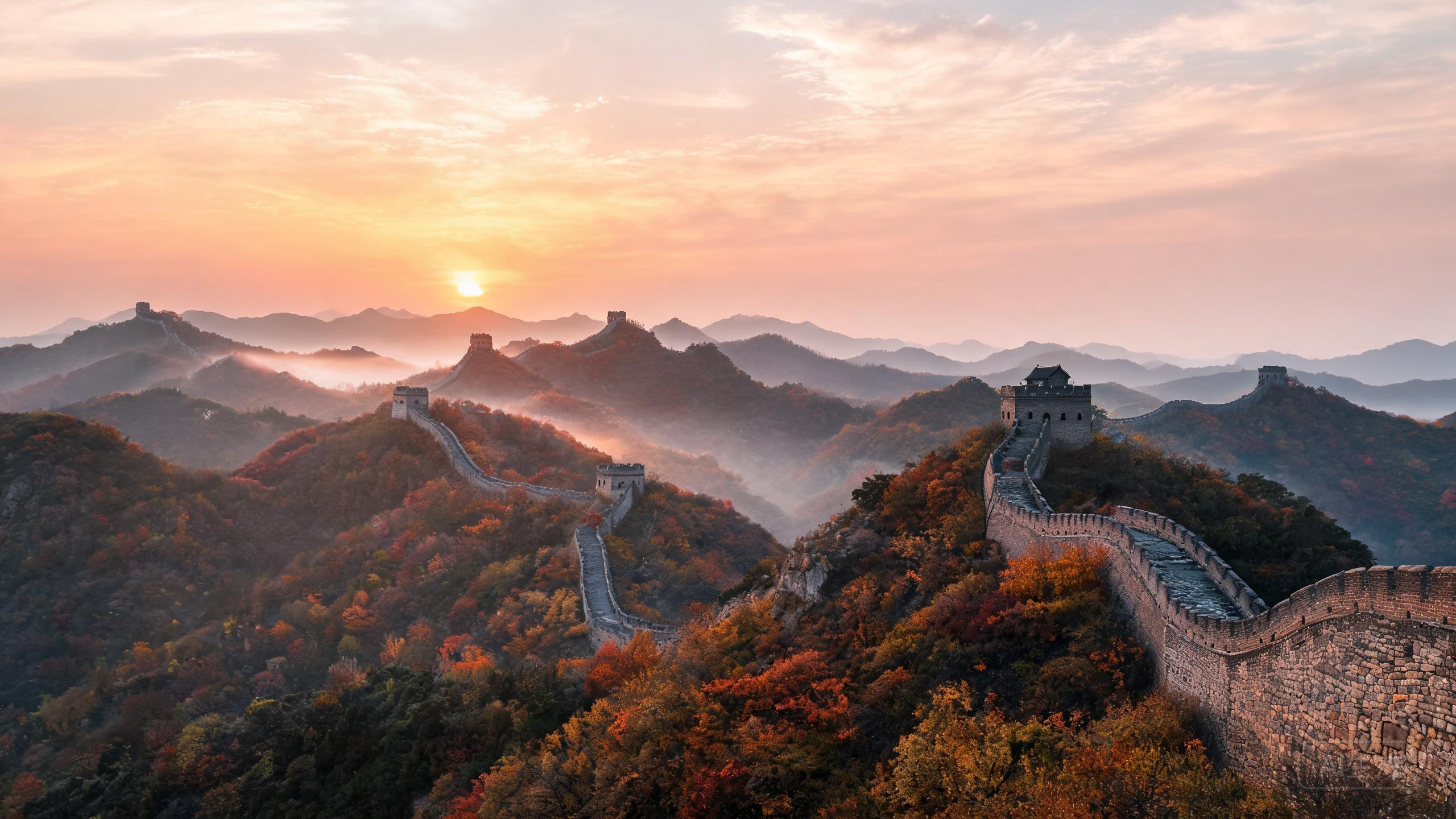
Jinshanling is the Great Wall section that hikers love most: a long ridge-line of restored and ruined watchtowers with far fewer visitors than Badaling or Mutianyu. This guide explains the hiking routes, transport options and what to expect on the trail.
June 30, 2024 · 10 min

Classical Garden
Summer Palace: Masterpiece of Chinese Landscape Garden
The Summer Palace is China's largest and best-preserved imperial garden, showcasing the essence of Chinese landscape gardening art. This guide will help you discover its most beautiful spots, understand its rich history, and make the most of your visit.
August 5, 2024 · 9 min

Cultural Experience
Hutong Tour: Exploring Beijing's Ancient Alleys
Hutongs are the traditional narrow alleys that form the ancient urban fabric of Beijing. These winding lanes, lined with courtyard houses (siheyuan), offer a glimpse into the city's traditional way of life that has largely disappeared in modern Beijing.
July 10, 2024 · 9 min