Jinshanling Great Wall: The Hiker's Wild Wall
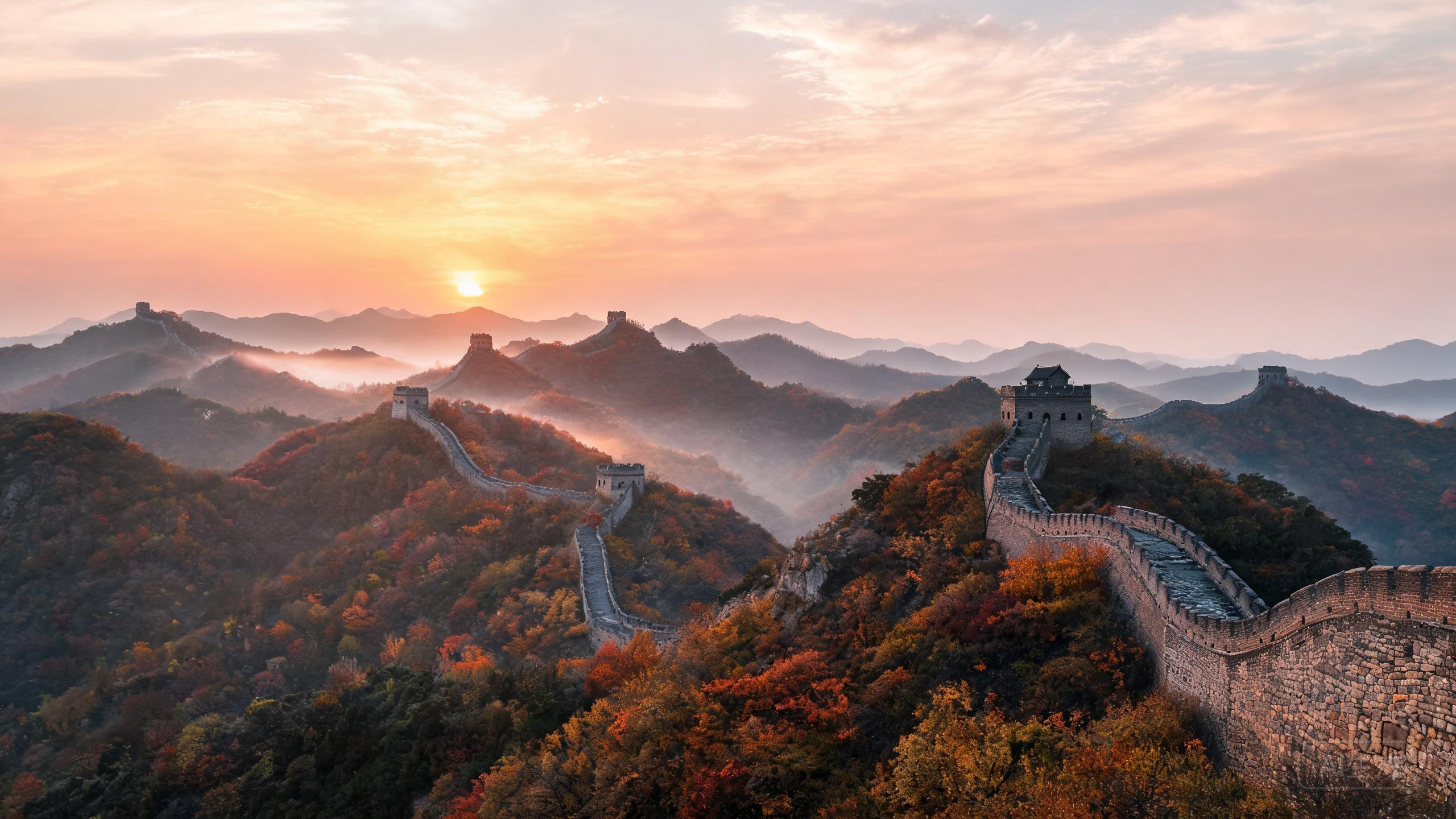
Jinshanling is the Great Wall section that hikers remember: a long ridge-line of restored and ruined watchtowers with far fewer visitors than Badaling or Mutianyu. It is also further from Beijing, so it rewards an early start and a full day.
Why Jinshanling is the hiker's wall
Jinshanling runs for about 10 km along the border between Beijing's Miyun District and Hebei's Luanping County, roughly 130 km northeast of the city. The wall climbs over steep forested ridges and passes more than 60 watchtowers, with the highest point around 980 metres above sea level.
What makes it different from the more famous sections is the mix of restoration and decay. Some stretches have been carefully rebuilt, with clean stonework and intact parapets; others are left as they were found, with broken crenellations and grass growing through the bricks. You can walk from one to the other in a single afternoon.
Hiking routes
Main entrance to Taiping Tower
The most popular route climbs from the main entrance to the Taiping Tower and continues east for a few kilometres. It takes about three hours at a relaxed pace and covers both restored and ruined sections.
East to the Simatai border
A longer option continues east towards the Simatai section. It is steeper, more exposed and less restored, and some stretches are closed from time to time for repair; check locally before setting out.
Short family route
A shorter loop stays near the entrance and the first watchtowers. It is manageable for children and older travellers who want the views without a full ridge walk.
Cable car option
A cable car runs from near the entrance to the ridge, cutting out the steepest climb. It runs weather permitting and is the easiest way to reach the wall if time is short.
Restored and ruined
The restored stretches show what the Ming wall was meant to look like: broad brick walkways, crenellations on both sides, and watchtowers with arched windows and guard rooms. The ruined stretches show what four centuries of weather and neglect do to the same structure.
Because the terrain is steep and the wall was built directly on the ridge, the path is never flat. Expect long flights of uneven steps, narrow sections without handrails and some drops immediately beside the walkway.
When to go
Spring and autumn are the best seasons: the ridges are green or turning red, the air is clearer and the walk is comfortable. Summer is hot and humid, and winter can be icy, though the wall under snow is spectacular.
Practical Tips
- *Start early. The drive alone takes two hours from central Beijing, and you want to be on the wall before the midday heat.
- *Wear proper walking shoes. Trainers are fine in dry weather, but the steps are uneven and the descents are hard on the knees.
- *Bring more water than you think you need. There are few shops on the wall and none on the ruined stretches.
- *Check the weather and the condition of the eastern routes before leaving. Strong wind or ice can close sections of the wall.
Frequently Asked Questions
Is Jinshanling more difficult than Mutianyu?
Yes. The climbs are longer and the surface is more uneven, especially on the ruined stretches. Mutianyu is the easier choice for a first visit to the wall.
How long does the hike take?
The main route to Taiping Tower takes about three hours. A full ridge walk to the Simatai border can take five to six hours.
Are there toilets and shops?
There are toilets and a few stalls near the main entrance and the cable car. Once you are on the wall there are no facilities.
Can I visit Jinshanling and Gubei Water Town in one day?
It is possible but rushed. Most travellers prefer to choose one, or to stay overnight near Gubei and visit the wall the following morning.
Tours Including This Attraction

Related Attractions

Ancient Architecture
Temple of Heaven: Sacred Altar of Imperial China
The Temple of Heaven is a masterpiece of traditional Chinese architecture and a symbol of Beijing's cultural heritage. Built for imperial heaven-worshipping ceremonies, this UNESCO World Heritage Site showcases extraordinary architectural design and profound philosophical significance.
July 30, 2024 · 7 min

Historic District
Shichahai: Beijing's Historic Lakeside District
Shichahai is one of Beijing's most charming historic districts, featuring three interconnected lakes surrounded by traditional hutong alleys, ancient mansions, and vibrant nightlife. Experience the perfect blend of old Beijing culture and modern entertainment in this popular area.
July 25, 2024 · 7 min

Wildlife & Family
Panda House at Beijing Zoo: A Complete Visiting Guide
The Panda House at Beijing Zoo is one of the few places in China where you can see giant pandas in the capital. This guide covers the best times to see them active, ticket and entry tips, and how to combine the visit with nearby sights.
June 10, 2024 · 7 min