Chinese Tea Culture: The Art of Tea in Beijing
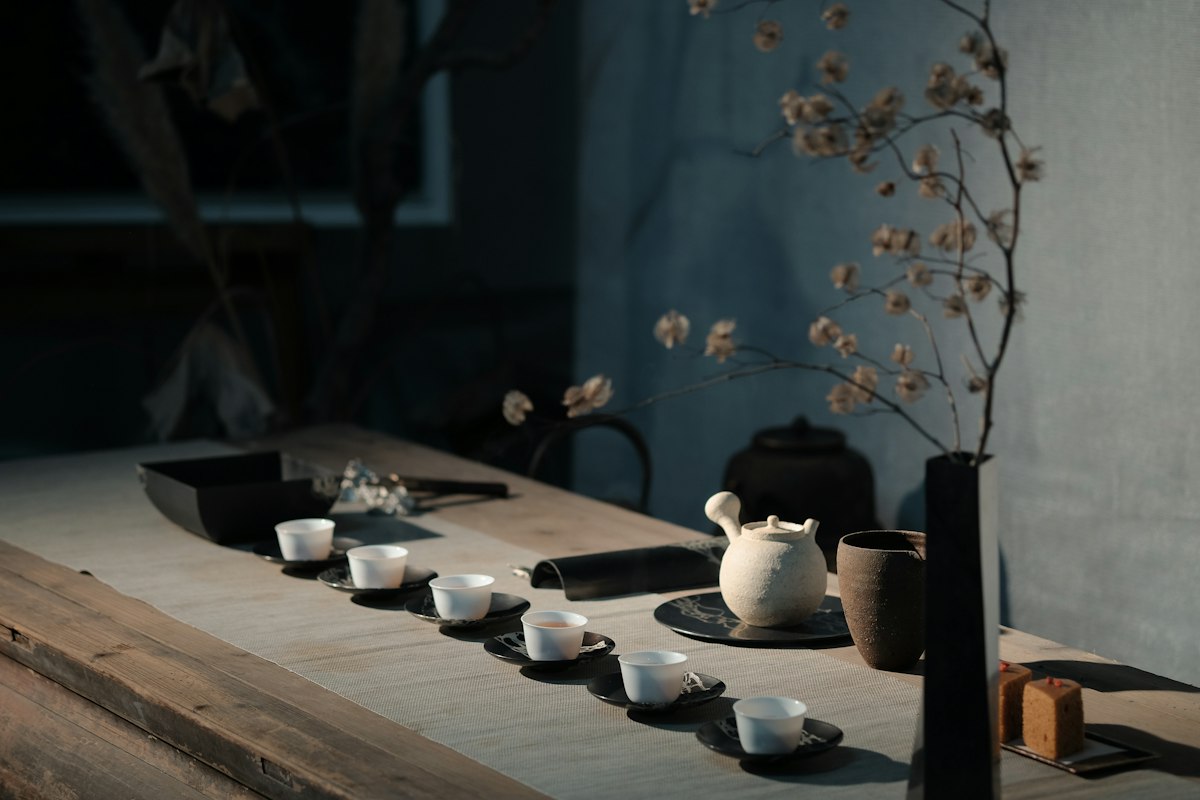
Tea is far more than a drink in China — it is a way of life, a philosophy, and an art form refined over more than 4,000 years. In Beijing, tea culture blends imperial refinement with the everyday warmth of old teahouses, where a cup of jasmine tea is an invitation to slow down and savor the moment.
History of Chinese Tea
According to legend, tea was discovered around 2737 BCE by Emperor Shen Nong when tea leaves drifted into his pot of boiling water. By the Tang Dynasty (618–907 CE), tea drinking had spread across the empire, and the scholar Lu Yu wrote the world's first tea monograph, The Classic of Tea (Cha Jing), which established tea as a refined cultural practice.

The Song Dynasty saw elaborate tea competitions and whisked powdered tea, while the Ming Dynasty introduced the loose-leaf steeping method still used today. Along the Silk Road and later maritime trade routes, Chinese tea traveled to Japan, Europe, and beyond, shaping tea cultures around the world.
Beijing developed its own tea identity during the Qing Dynasty, when jasmine tea became the capital's signature drink. The city's teahouses evolved into social institutions — places for storytelling, opera, business deals, and neighborhood gossip — a tradition that continues in Beijing's famous teahouses today.
Six Major Types of Chinese Tea
Chinese tea is traditionally classified into six categories based on processing and oxidation. Each type has its own character, brewing method, and ideal season.
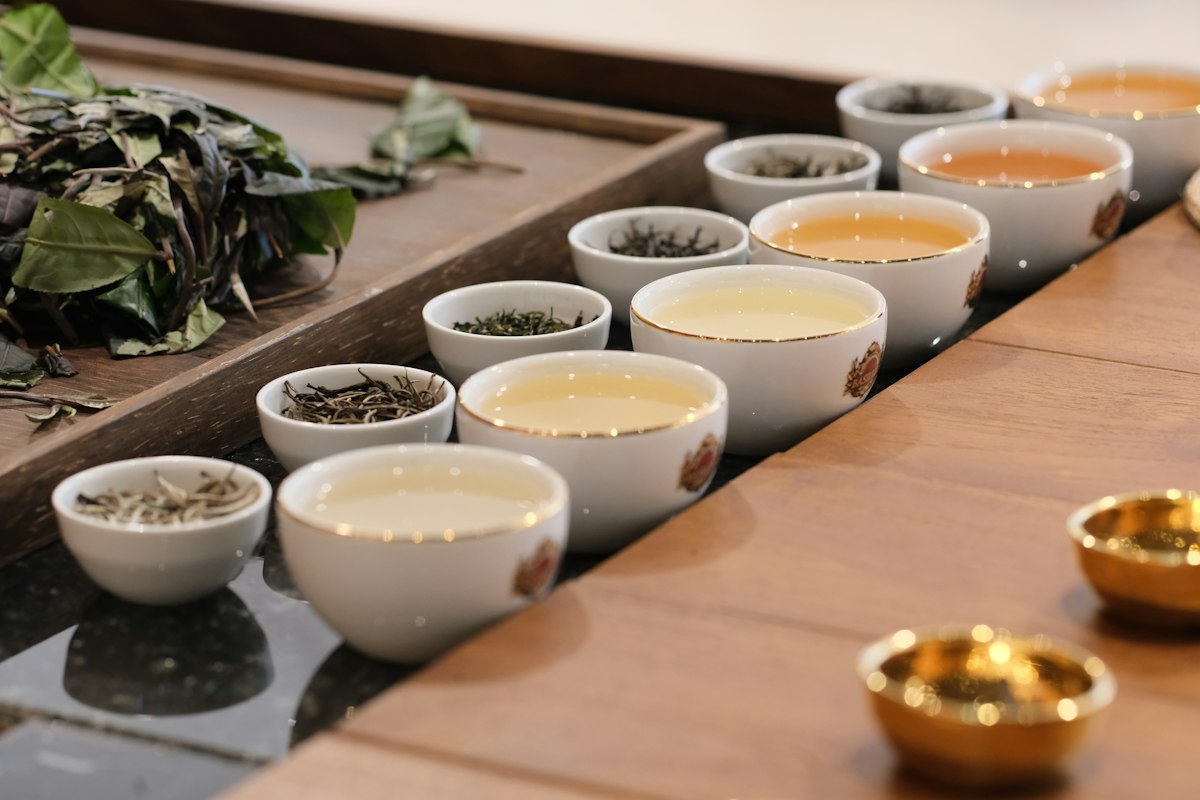
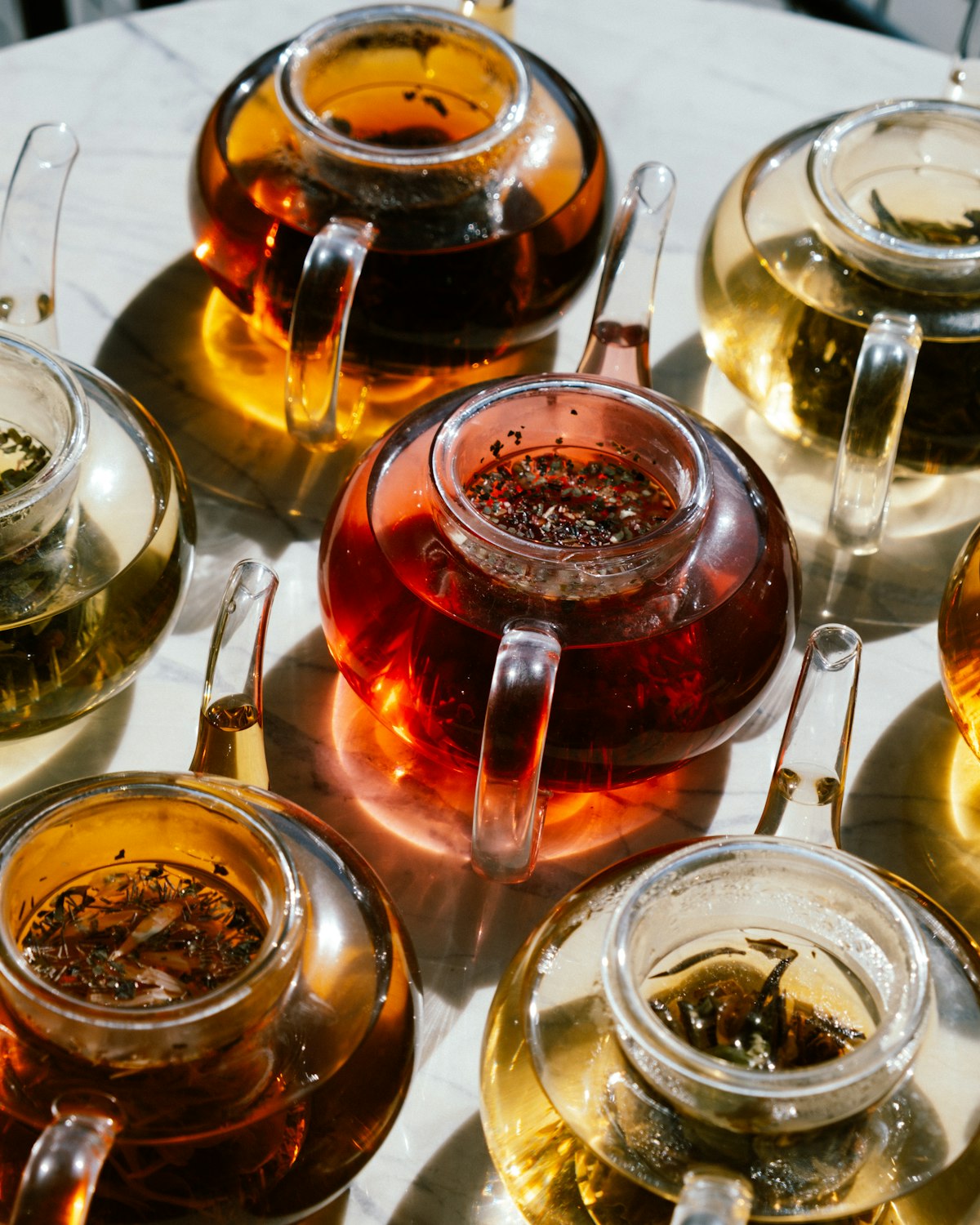
Green Tea (Lü Cha)
Green Tea (绿茶)
The oldest and most natural style, unoxidized to preserve its fresh, grassy flavor. Famous varieties include Longjing (Dragon Well) from Hangzhou and Biluochun from Jiangsu. Best enjoyed in spring and summer.
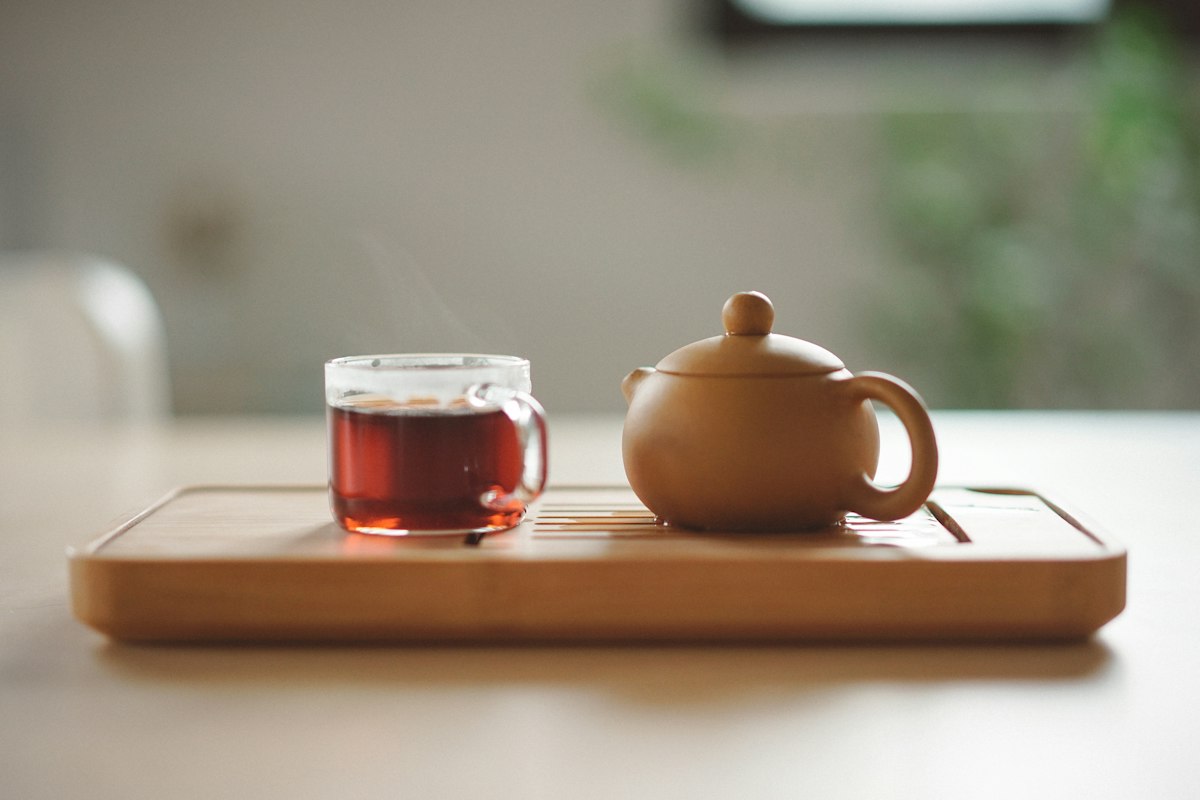
Black Tea (Hong Cha)
Black Tea (红茶)
Called "red tea" in China for its ruby-colored liquor. Fully oxidized, with malty, sweet notes. Famous varieties include Keemun from Anhui and Dianhong from Yunnan. Warming and ideal for cold Beijing winters.
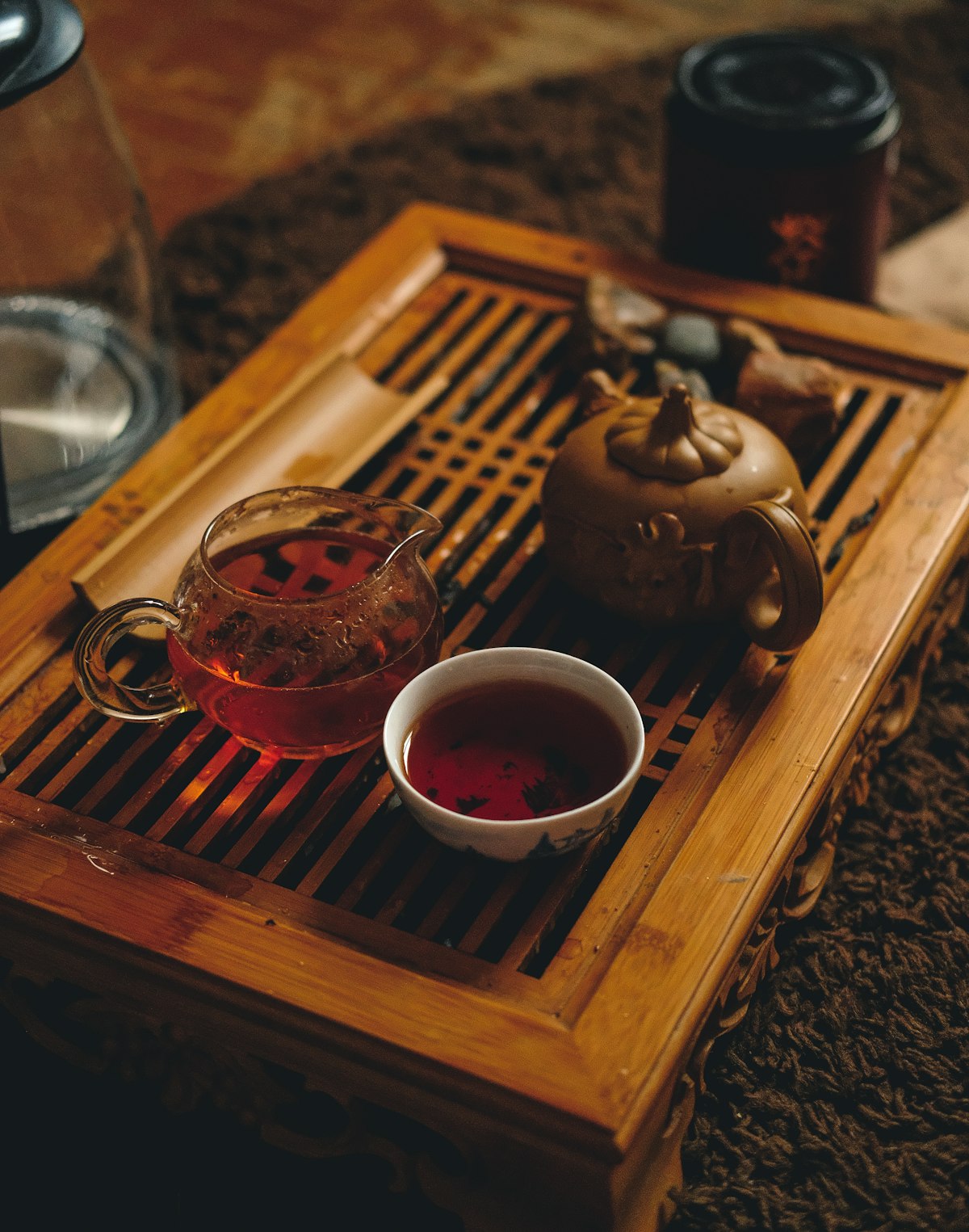
Oolong Tea (Wu Long)
Oolong Tea (乌龙茶)
Semi-oxidized, sitting between green and black tea, with complex floral or roasted flavors that unfold over multiple infusions. Tieguanyin and Da Hong Pao are the most celebrated varieties and the stars of the Gongfu tea ceremony.
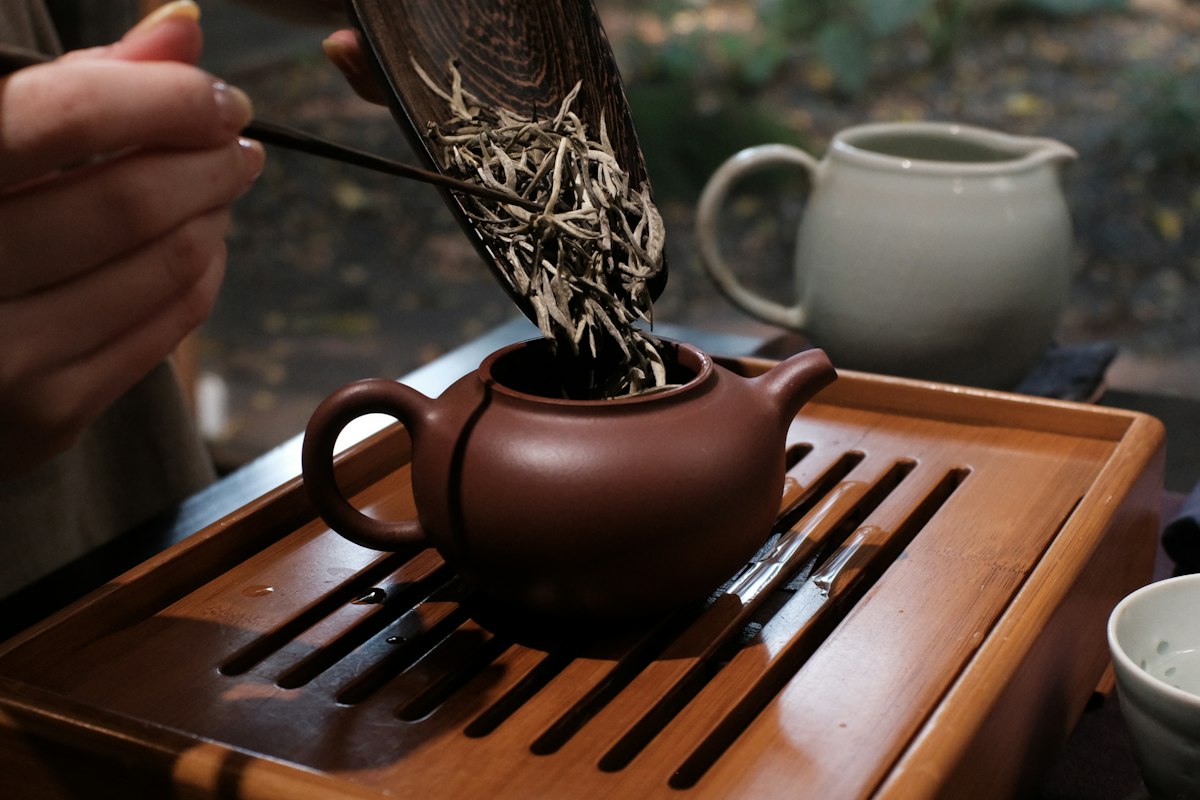
White Tea (Bai Cha)
White Tea (白茶)
The least processed of all teas — young buds are simply withered and dried. Baihao Yinzhen (Silver Needle) offers a delicate, honey-like sweetness. Prized for its subtlety and often aged like fine wine.
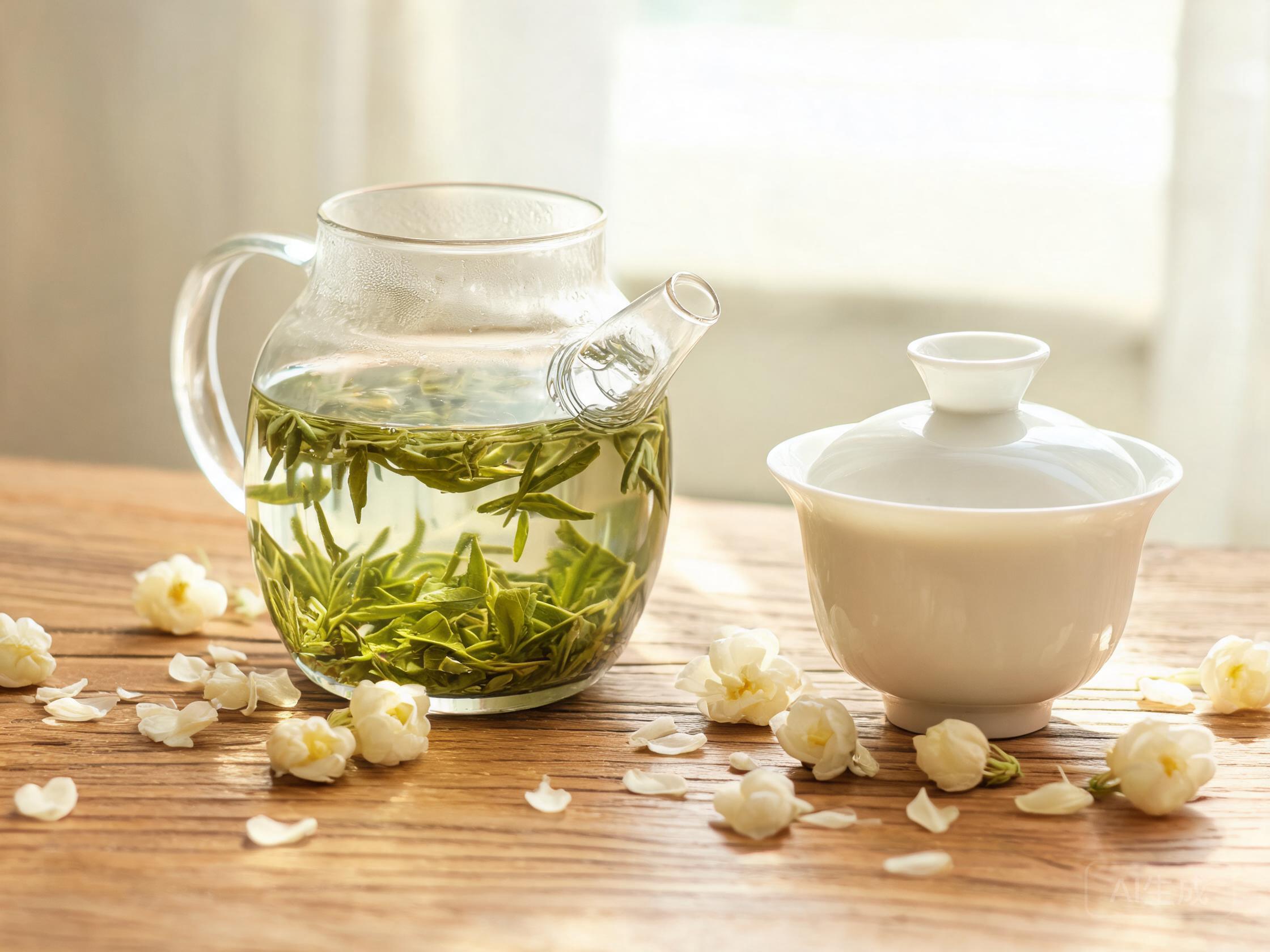
Jasmine Tea (Mo Li Hua Cha)
Jasmine Tea (茉莉花茶)
Beijing's beloved signature tea — green tea leaves scented repeatedly with fresh jasmine blossoms until they absorb the fragrance. No trip to a Beijing teahouse is complete without a pot of jasmine tea served in a covered gaiwan.
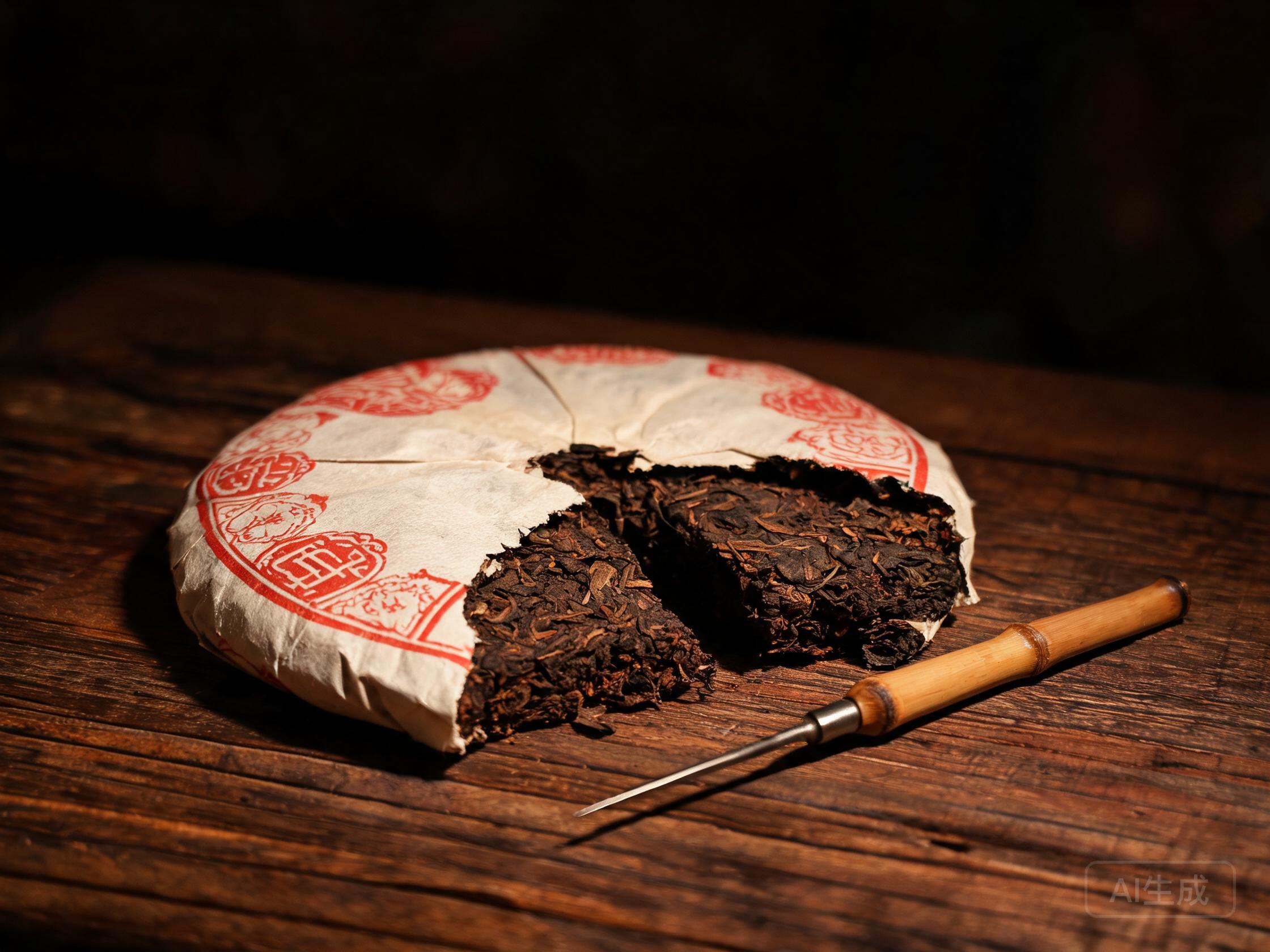
Pu'er Tea (Pu Er Cha)
Pu'er Tea (普洱茶)
A fermented tea from Yunnan, pressed into cakes and aged for years or even decades. Earthy, smooth, and mellow, pu'er is traditionally drunk after heavy meals and is the most collectible of all Chinese teas.
The Gongfu Tea Ceremony
"Gongfu" (功夫) means "with skill and effort" — and the Gongfu tea ceremony is the highest expression of Chinese tea art. Small teapots, tiny cups, and repeated short infusions coax layers of flavor from the leaves. Here is what you will experience in a traditional ceremony:
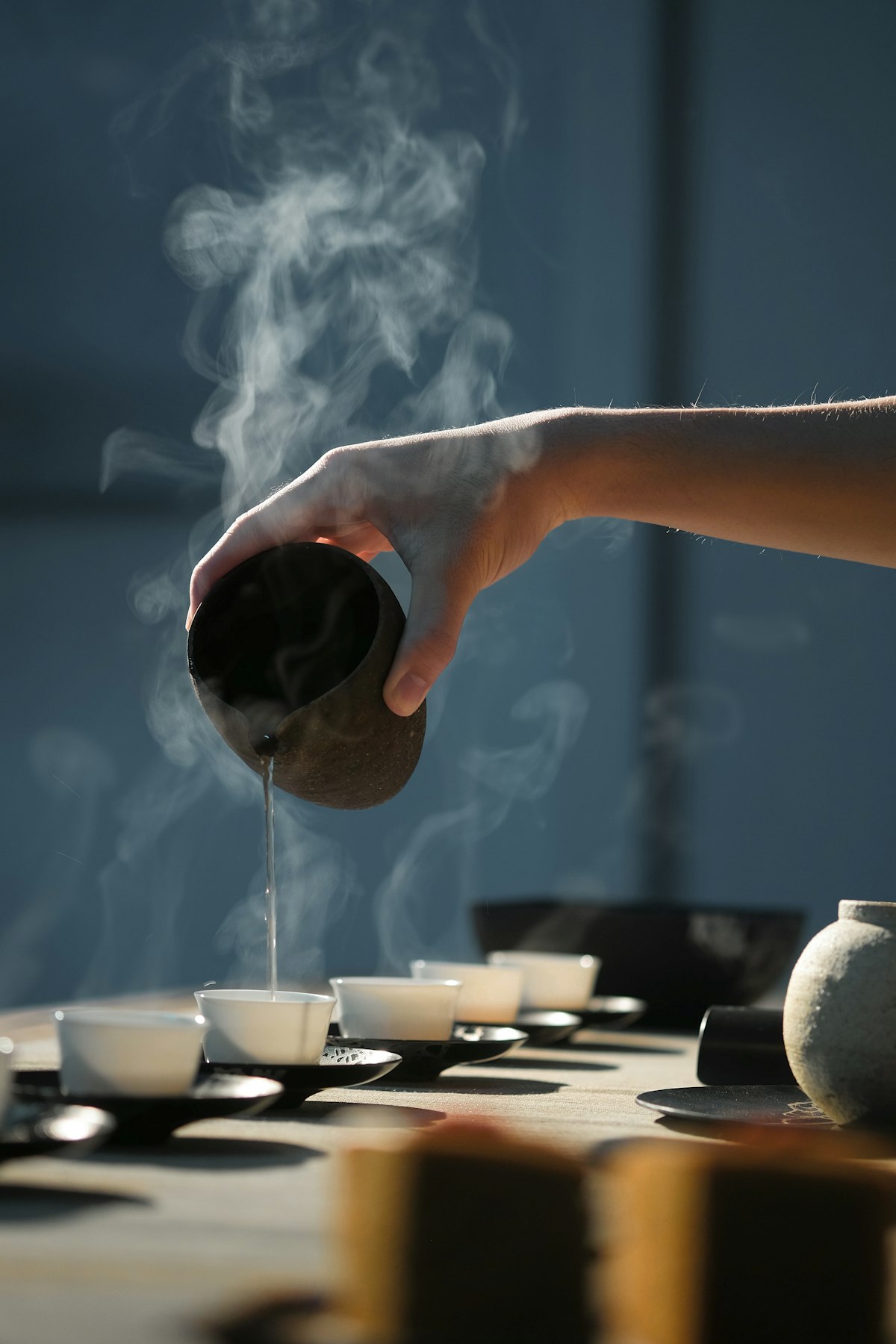
- Warming the vessels: Hot water is poured over the teapot, gaiwan, and cups to warm them and cleanse the tea ware.
- Appreciating the leaves: The dry leaves are presented in a small dish so guests can admire their shape and aroma before brewing.
- Awakening the leaves: A quick first rinse with hot water opens the leaves and washes away any dust; this infusion is discarded.
- Brewing in short infusions: The tea is steeped for just seconds at a time, and each successive infusion reveals a new layer of flavor.
- Fairness pitcher and aroma cup: Tea is poured into a shared pitcher to ensure every guest receives the same strength, then served in tall aroma cups.
- Savoring in three sips: Smell the empty aroma cup first, then drink the tea slowly in three small sips to appreciate the fragrance, taste, and lingering finish.
Beijing's Most Famous Teahouses
From grand performance teahouses to century-old tea shops and a whole street dedicated to tea, Beijing offers countless ways to experience tea culture. These are the names every tea lover should know:

Lao She Teahouse (老舍茶馆)
Beijing's most famous teahouse, opened in 1988 and named after the celebrated writer Lao She and his play Teahouse. Sip jasmine tea from a covered gaiwan while enjoying evening variety shows featuring Peking opera, crosstalk comedy, acrobatics, and face-changing performances — a living showcase of old Beijing teahouse culture.
Wuyutai Tea House (吴裕泰)
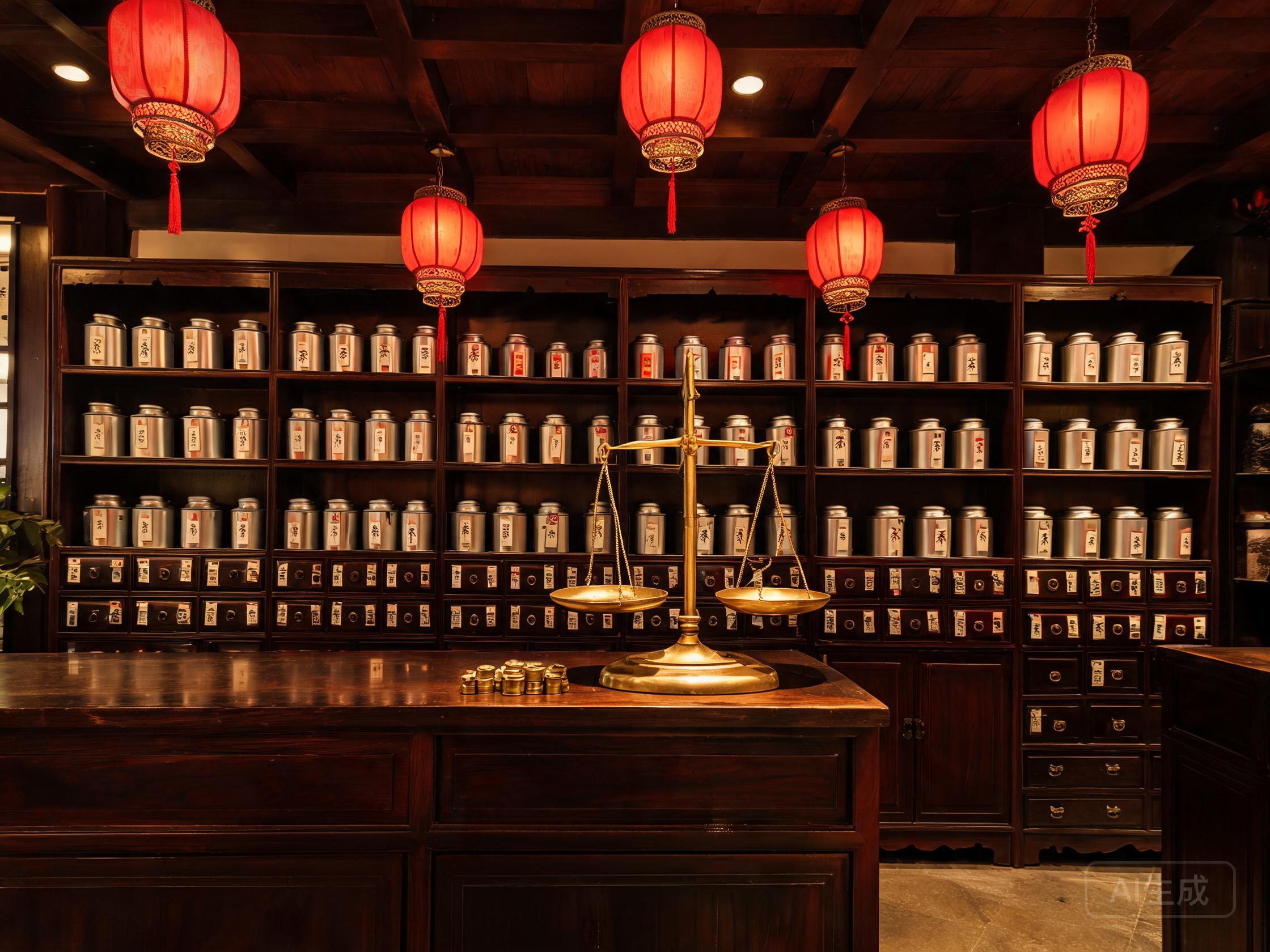
Founded in 1887, Wuyutai is one of Beijing's oldest and most trusted tea brands, famous above all for its jasmine tea scented with fresh blossoms. The historic shops retain their old-world charm, and locals still queue here for loose-leaf tea weighed on brass scales.
Zhang Yiyuan Tea House (张一元)
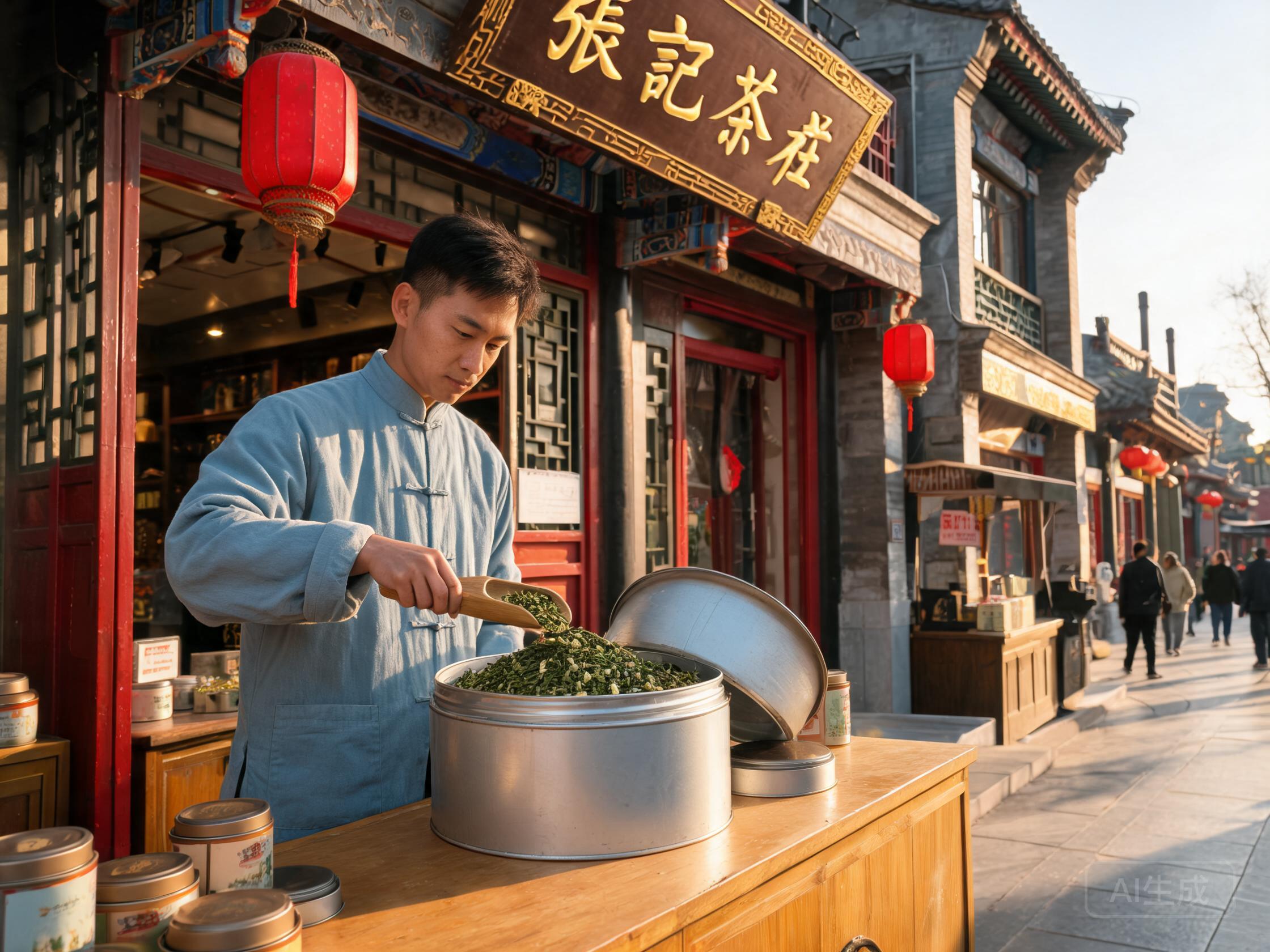
Established in 1900, Zhang Yiyuan is Wuyutai's friendly rival and another household name for jasmine tea, built on century-old scenting recipes. Its flagship store on historic Qianmen Street is a destination in itself, with gleaming counters and dozens of tea grades on display.
Maliandao Tea Street (马连道)
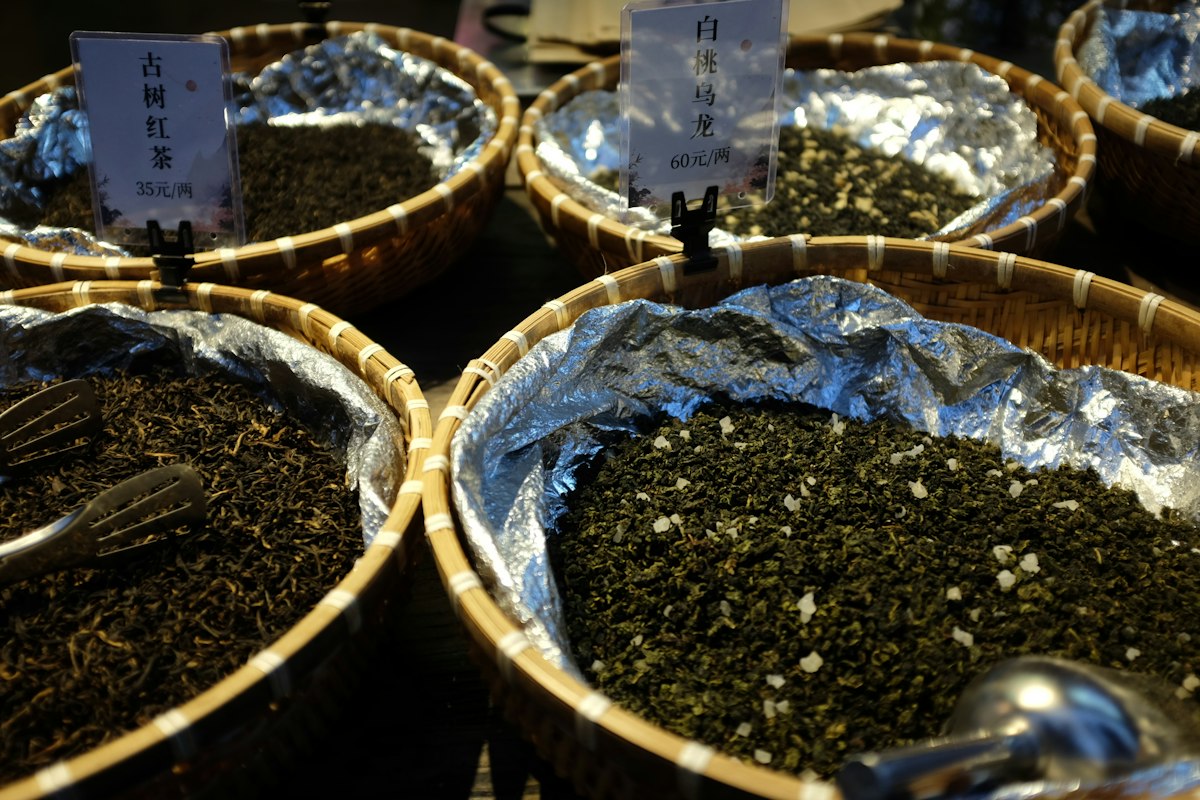
The largest tea market in northern China — an entire street and several multi-story tea malls where hundreds of vendors offer every type of Chinese tea, from everyday jasmine to aged pu'er, alongside tea ware and teapots. It is the best place in the city to see the full breadth of China's tea world in one visit.
Tours Including This Attraction

Related Attractions

World Heritage
Mutianyu Great Wall: A Scenic and Less Crowded Experience
Mutianyu Great Wall is widely regarded as one of the most beautiful and well-preserved sections of the Great Wall of China. This guide will help you make the most of your visit with practical tips on the best times to visit and how to avoid crowds.
August 10, 2024 · 8 min

Classical Garden
Summer Palace: Masterpiece of Chinese Landscape Garden
The Summer Palace is China's largest and best-preserved imperial garden, showcasing the essence of Chinese landscape gardening art. This guide will help you discover its most beautiful spots, understand its rich history, and make the most of your visit.
August 5, 2024 · 9 min
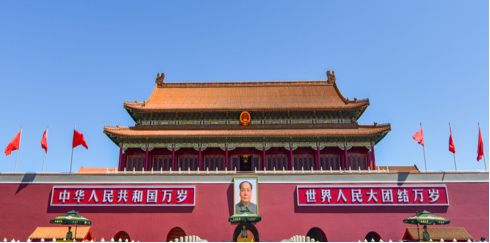
Historic Landmark
Tiananmen Square: The Heart of Modern Beijing
Tiananmen Square is the symbolic centre of modern China and the starting point of Beijing's historic north-south axis. This guide covers the square's landmarks, the best times to visit, security procedures and how to combine it with the Forbidden City.
June 15, 2024 · 6 min